电化学(中英文) ›› 2025, Vol. 31 ›› Issue (12): 2516003. doi: 10.61558/2993-074X.3599
• 综述 • 上一篇
李玥琪a, 黄卫华b, 江德臣c, 刘宝红d, 苏彬e, 田阳f, 徐静娟c, 于萍g, 赵峰h, 鞠熀先c,*( ), 李景虹a,i,*()
收稿日期:2025-10-10
修回日期:2025-11-19
接受日期:2025-12-08
发布日期:2025-12-08
出版日期:2025-12-28
通讯作者:
鞠熀先,李景虹
E-mail:hxju@nju.edu.cn;jhli@mail.tsinghua.edu.cn
Yue-Qi Lia, Wei-Hua Huangb, De-Chen Jiangc, Bao-Hong Liud, Bin Sue, Yang Tianf, Jing-Juan Xuc, Ping Yug, Feng Zhaoh, Huang-Xian Juc,*(), Jing-Hong Lia,i,*()
Received:2025-10-10
Revised:2025-11-19
Accepted:2025-12-08
Online:2025-12-08
Published:2025-12-28
Contact:
Huang-Xian Ju, Jing-Hong Li
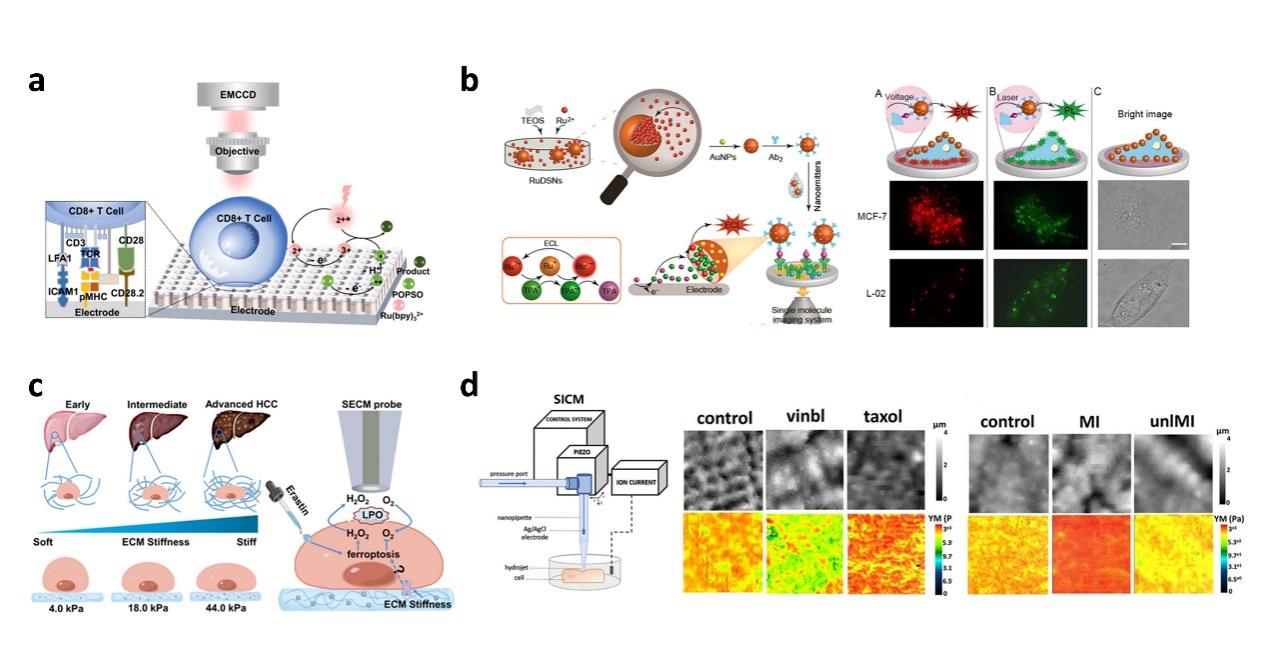
E-mail:hxju@nju.edu.cn;jhli@mail.tsinghua.edu.cn
摘要:
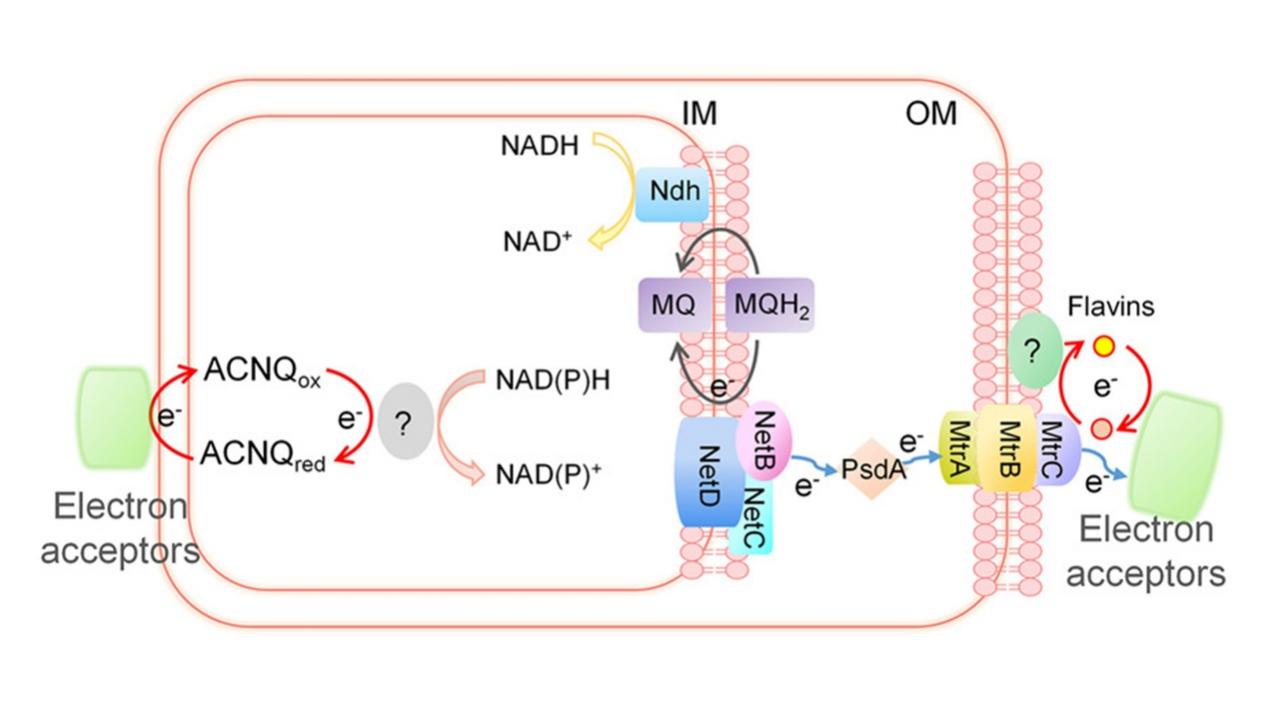
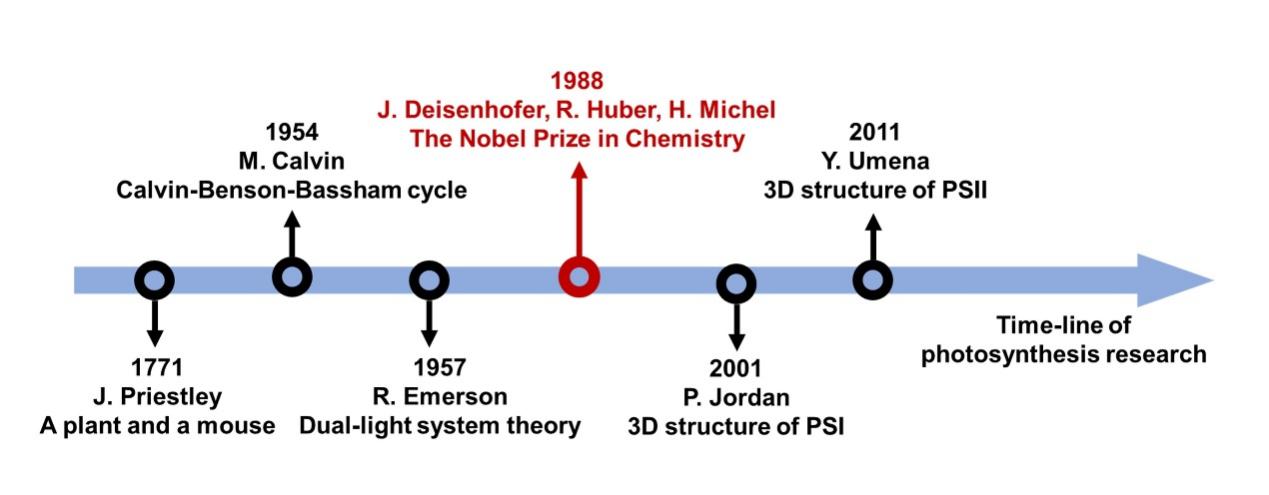
电化学过程是生命功能的核心,主导着能量转导、代谢流动与分子信号传递。随着电化学科学的快速发展,如今能够以空前的空间、时间与化学分辨率对这些过程进行探测与调控。本综述构建了一个从基础机制到表征技术再到功能调控的整体框架。本文首先概述线粒体呼吸、微生物胞外电子传递和DNA与蛋白质介导的电荷传导途径,并介绍光合作用中的光-电子转换原理,以及氧化还原平衡在协调细胞响应中的核心作用。随后,重点总结可实现多尺度生命体系表征的电化学分析技术,包括生物传感、电化学与扫描探针成像、电化学发光检测,以及膜电位与神经递质的动态测量。随着柔性生物界面、超微电极与纳米孔等新兴平台的快速发展,上述表征和测量进一步扩展至体内和单分子尺度。最后,本文讨论如何利用电化学调控代谢通路、微生物和蛋白质活性以及神经信号,从而实现精准治疗和生物工程应用。总体而言,这些进展确立了电化学作为解析与引导生命体系研究的强大基础工具。
李玥琪, 黄卫华, 江德臣, 刘宝红, 苏彬, 田阳, 徐静娟, 于萍, 赵峰, 鞠熀先, 李景虹. 生命过程的电化学表征与调控[J]. 电化学(中英文), 2025, 31(12): 2516003.
Yue-Qi Li, Wei-Hua Huang, De-Chen Jiang, Bao-Hong Liu, Bin Su, Yang Tian, Jing-Juan Xu, Ping Yu, Feng Zhao, Huang-Xian Ju, Jing-Hong Li. Electrochemical Characterization and Modulation of Biological Processes[J]. Journal of Electrochemistry, 2025, 31(12): 2516003.
| [1] | Ju H X, Li J. Bioelectrochemistry[M]. Beijing, China: Science Press, 2022. |
| [2] |
Sies H, Mailloux R J, Jakob U. Fundamentals of redox regulation in biology[J]. Nat. Rev. Mol. Cell Biol., 2024, 25(9): 701-719. http://dx.doi.org/10.1038/s41580-024-00730-2.
doi: 10.1038/s41580-024-00730-2 URL |
| [3] | Sedenho G C, Colombo R N P, Iost R M, Lima F C D A, Crespilho F N. Exploring electron transfer: Bioinspired, biomimetics, and bioelectrochemical systems for sustainable energy and value-added compound synthesis[J]. Appl. Phys. Rev., 2024, 11(2): 021341. http://dx.doi.org/10.1063/5.0204996. |
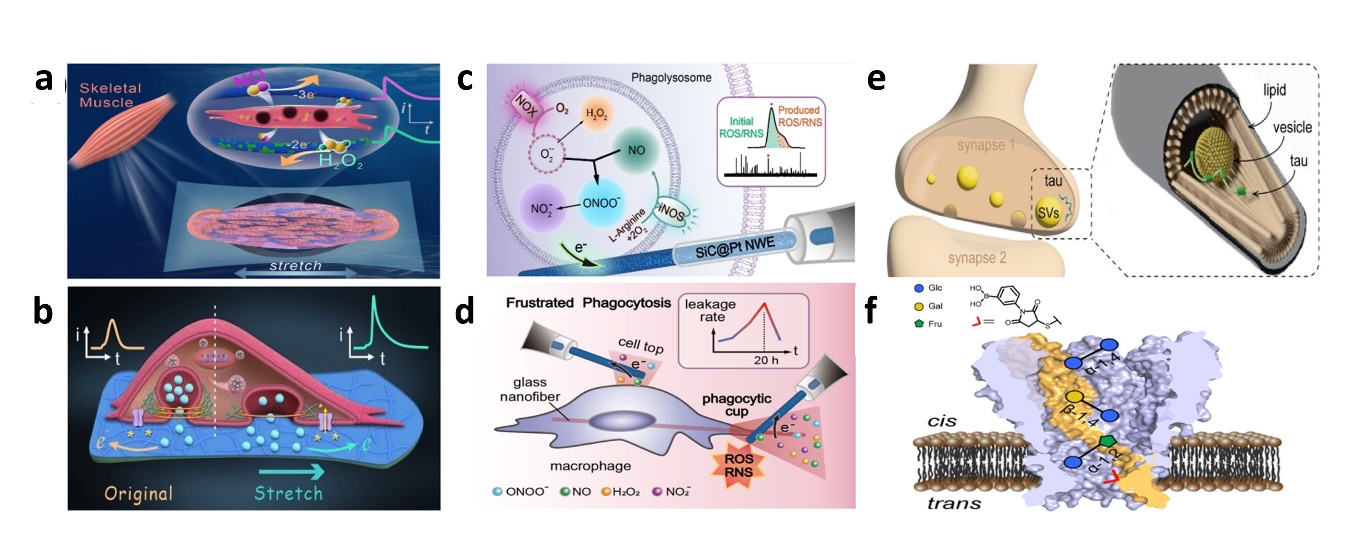
| [4] | Saura P, Riepl D, Frey D M, Wikström M, Kaila V R I. Electric fields control water-gated proton transfer in cytochrome c oxidase[J]. Proc. Natl. Acad. Sci., 2022, 119(38): e2207761119.http://dx.doi.org/10.1073/pnas.2207761119. |
| [5] | Pugh J. The current state of nanopore sequencing[M]//Nanopore sequencing: Methods and protocols, Arakawa K Ed.; Springer US, 2023: 3-14. |
| [6] |
Gandhi M, Rajagopal D, Senthil Kumar AD. Molecularly wiring of cytochrome c with carboxylic acid functionalized hydroquinone on mwcnt surface and its bioelectrocatalytic reduction of H2O2 relevance to biomimetic electron-transport and redox signalling[J]. Electrochim. Acta, 2021, 368: 137596. http://dx.doi.org/10.1016/j.electacta.2020.137596.
doi: 10.1016/j.electacta.2020.137596 URL |
| [7] |
Liu Y N, Lv Z T, Lv W L, Liu D F, Liu X W. Label-free optical imaging of the electron transfer in single live microbial cells[J]. Nano Lett., 2023, 23(2): 558-566. http://dx.doi.org/10.1021/acs.nanolett.2c04018.
doi: 10.1021/acs.nanolett.2c04018 URL |
| [8] |
Jordan P, Fromme P, Witt H T, Klukas O, Saenger W, Krauß N. Three-dimensional structure of cyanobacterial photosystem I at 2.5Å resolution[J]. Nature, 2001, 411(6840): 909-917. http://dx.doi.org/10.1038/35082000.
doi: 10.1038/35082000 URL |
| [9] |
Ben-Shem A, Frolow F, Nelson N. Crystal structure of plant photosystem I[J]. Nature, 2003, 426(6967): 630-635. http://dx.doi.org/10.1038/nature02200.
doi: 10.1038/nature02200 URL |
| [10] |
Liu Z F, Yan H C, Wang K B, Kuang T Y, Zhang J P, Gui L L, An X M, Chang W R. Crystal structure of spinach major light-harvesting complex at 2.72Å resolution[J]. Nature, 2004, 428(6980): 287-292. http://dx.doi.org/10.1038/nature02373.
doi: 10.1038/nature02373 URL |
| [11] |
Umena Y, Kawakami K, Shen J R, Kamiya N. Crystal structure of oxygen-evolving photosystem II at a resolution of 1.9 Å[J]. Nature, 2011, 473(7345): 55-60. http://dx.doi.org/10.1038/nature09913.
doi: 10.1038/nature09913 URL |
| [12] |
Zhang L, Chu M G, Ji C L, Wang W J, Tan J, Yuan Q. Electron transfer in protein modifications: From detection to imaging[J]. Sci. China Chem., 2023, 66(2): 388-405. http://dx.doi.org/10.1007/s11426-022-1417-3.
doi: 10.1007/s11426-022-1417-3 URL |
| [13] |
Shin I S, Chand R, Lee S W, Rhee H W, Kim Y S, Hong J I. Homogeneous electrochemical assay for protein kinase activity[J]. Anal. Chem., 2014, 86(22): 10992-10995. http://dx.doi.org/10.1021/ac502549s.
doi: 10.1021/ac502549s URL |
| [14] |
Yan Z Y, Wang Z H, Miao Z, Liu Y. Dye-sensitized and localized surface plasmon resonance enhanced visible-light photoelectrochemical biosensors for highly sensitive analysis of protein kinase activity[J]. Anal. Chem., 2015, 88(1): 922-929. http://dx.doi.org/10.1021/acs.analchem.5b03661.
doi: 10.1021/acs.analchem.5b03661 URL |
| [15] |
Yan Z Y, Wang F, Deng P Y, Wang Y, Cai K, Chen Y H, Wang Z H, Liu Y. Sensitive electrogenerated chemiluminescence biosensors for protein kinase activity analysis based on bimetallic catalysis signal amplification and recognition of Au and Pt loaded metal-organic frameworks nanocomposites[J]. Biosens. Bioelectron., 2018, 109: 132-138. http://dx.doi.org/10.1016/j.bios.2018.03.004.
doi: S0956-5663(18)30168-4 URL pmid: 29550736 |
| [16] |
Wu J, Liu H, Chen W W, Ma B, Ju H X. Device integration of electrochemical biosensors[J]. Nat. Rev. Bioeng., 2023, 1(5): 346-360. http://dx.doi.org/10.1038/s44222-023-00032-w.
doi: 10.1038/s44222-023-00032-w URL pmid: 37168735 |
| [17] |
Cesewski E, Johnson B N. Electrochemical biosensors for pathogen detection[J]. Biosens. Bioelectron., 2020, 159(1): 112214. http://dx.doi.org/10.1016/j.bios.2020.112214.
doi: 10.1016/j.bios.2020.112214 URL |
| [18] | Vigneshvar S, Sudhakumari C C, Senthilkumaran B, Prakash H. Recent advances in biosensor technology for potential applications - an overview[J]. Front. Bioeng.Biotechnol., 2016, 4(16): 11. http://dx.doi.org/10.3389/fbioe.2016.00011. |
| [19] | Yan Y J, Zhou P, Ding L R, Hu W, Chen W, Su B. T cell antigen recognition and discrimination by electrochemiluminescence imaging[J]. Angew. Chem. Int. Ed., 2023, 62(50): e202314588.http://dx.doi.org/10.1002/anie.202314588. |
| [20] |
Zhang J J, Jin R, Jiang D C, Chen H Y. Electrochemiluminescence-based capacitance microscopy for label-free imaging of antigens on the cellular plasma membrane[J]. J. Am. Chem. Soc., 2019, 141(26): 10294-10299. http://dx.doi.org/10.1021/jacs.9b03007.
doi: 10.1021/jacs.9b03007 URL pmid: 31180678 |
| [21] | Descamps J, Colin C, Tessier G, Arbault S, Sojic N. Ultrasensitive imaging of cells and sub-cellular entities by electrochemiluminescence[J]. Angew. Chem. Int. Ed., 2023, 62(16): e202218574.http://dx.doi.org/10.1002/anie.202218574. |
| [22] |
Hercules D M. Chemiluminescence resulting from electrochemically generated species[J]. Science, 1964, 145(3634): 808-809. http://dx.doi.org/doi:10.1126/science.145.3634.808.
pmid: 17816303 |
| [23] |
Afshari Babazad M, Foroozandeh A, Abdouss M, SalarAmoli H, Babazad R A, Hasanzadeh M. Recent progress and challenges in biosensing of carcinoembryonic antigen[J]. TrAC Trends Anal. Chem., 2024, 180: 117964. http://dx.doi.org/10.1016/j.trac.2024.117964.
doi: 10.1016/j.trac.2024.117964 URL |
| [24] |
Kavetskyy T, Alipour M, Smutok O, Mushynska O, Kiv A, Fink D, Farshchi F, Ahmadian E, Hasanzadeh M. Magneto-immunoassay of cancer biomarkers: Recent progress and challenges in biomedical analysis[J]. Microchem. J., 2021, 167: 106320. http://dx.doi.org/10.1016/j.microc.2021.106320.
doi: 10.1016/j.microc.2021.106320 URL |
| [25] |
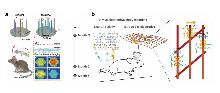
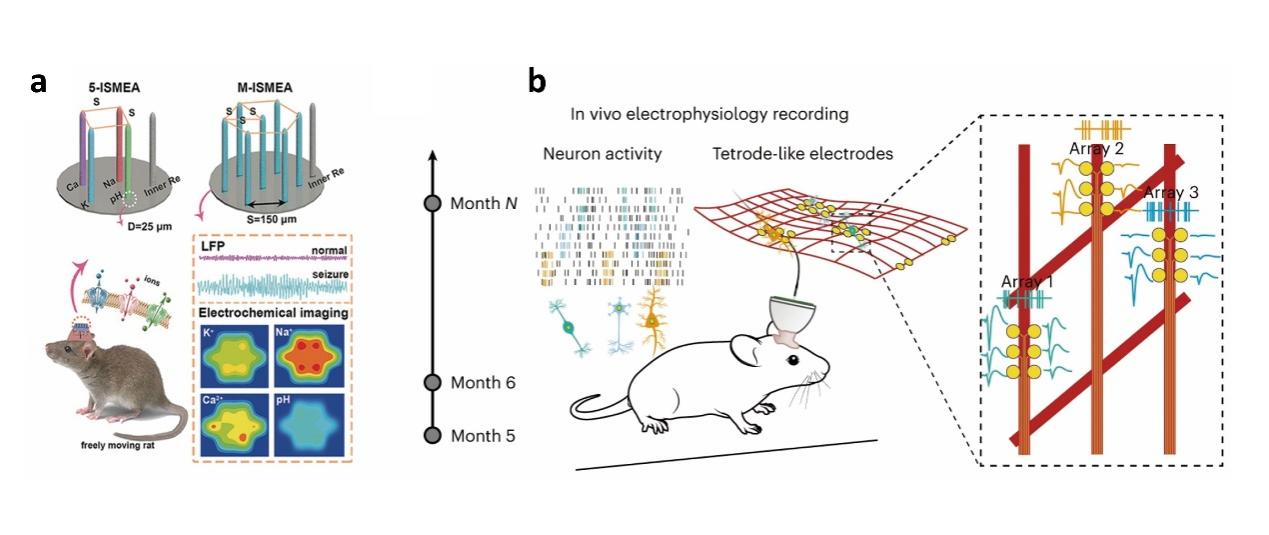
Zhao F, Liu Y D, Dong H, Feng S Q, Shi G Y, Lin L N, Tian Y. An electrochemophysiological microarray for real-time monitoring and quantification of multiple ions in the brain of a freely moving rat[J]. Angew. Chem. Int. Ed., 2020, 59(26): 10426-10430. http://dx.doi.org/10.1002/anie.202002417.
doi: 10.1002/anie.202002417 URL pmid: 32190959 |
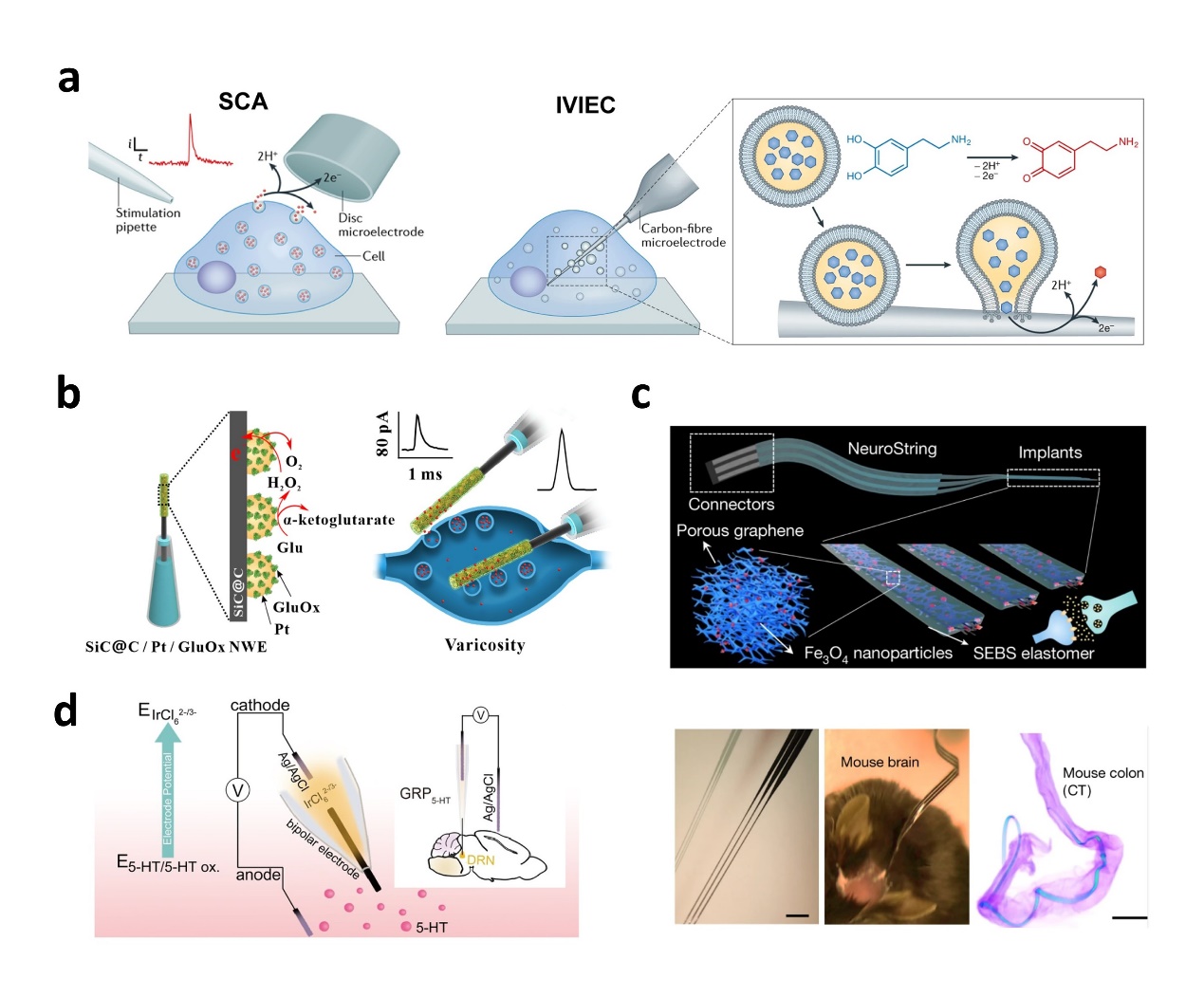
| [26] | Phan N T N, Li X C, Ewing A G. Measuring synaptic vesicles using cellular electrochemistry and nanoscale molecular imaging[J]. Nat. Rev. Chem., 2017, 1(6): 0048.http://dx.doi.org/10.1038/s41570-017-0048. |
| [27] |
De Belly H, Paluch E K, Chalut K J. Interplay between mechanics and signalling in regulating cell fate[J]. Nat. Rev. Mol. Cell Biol., 2022, 23(7): 465-480. http://dx.doi.org/10.1038/s41580-022-00472-z.
doi: 10.1038/s41580-022-00472-z URL |
| [28] |
Flannagan R S, Cosío G, Grinstein S. Antimicrobial mechanisms of phagocytes and bacterial evasion strategies[J]. Nat. Rev. Microbiol., 2009, 7(5): 355-366. http://dx.doi.org/10.1038/nrmicro2128.
doi: 10.1038/nrmicro2128 URL pmid: 19369951 |
| [29] | Chen K L, Yu R J, Zhong C B, Wang Z Y, Xie B K, Ma H, Ao M J, Zheng P, Ewing A G, Long Y T. Electrochemical monitoring of real-time vesicle dynamics induced by tau in a confined nanopipette[J]. Angew. Chem. Int. Ed., 2024, 63(39): e202406677. http://dx.doi.org/10.1002/anie.202406677. |
| [30] |
Momcilovic M, Jones A, Bailey S T, Waldmann C M, Li R, Lee J T, Abdelhady G, Gomez A, Holloway T, Schmid E, Stout D, Fishbein M C, Stiles L, Dabir D V, Dubinett S M, Christofk H, Shirihai O, Koehler C M, Sadeghi S, Shackelford D B. In vivo imaging of mitochondrial membrane potential in non-small-cell lung cancer[J]. Nature, 2019, 575(7782): 380-384. http://dx.doi.org/10.1038/s41586-019-1715-0.
doi: 10.1038/s41586-019-1715-0 URL |
| [31] | Boyman L, Karbowski M, Lederer W J. Regulation of mitochondrial atp production: Ca2+ signaling and quality control[J]. Trends Mol. Med., 2020, 26(1): 21-39. http://dx.doi.org/10.1016/j.molmed.2019.10.007. |
| [32] |
Wai T, Langer T. Mitochondrial dynamics and metabolic regulation[J]. Trends Endocrinol. Metab., 2016, 27(2): 105-117. http://dx.doi.org/10.1016/j.tem.2015.12.001.
doi: 10.1016/j.tem.2015.12.001 URL |
| [33] |
Zhang J Q, Li F, Liu D Y, Liu Q J, Song H. Engineering extracellular electron transfer pathways of electroactive microorganisms by synthetic biology for energy and chemicals production[J]. Chem. Soc. Rev., 2024, 53(3): 1375-1446. http://dx.doi.org/10.1039/d3cs00537b.
doi: 10.1039/d3cs00537b URL pmid: 38117181 |
| [34] |
Graham A J, Partipilo G, Dundas C M, Miniel Mahfoud I E, Halwachs K N, Holwerda A J, Simmons T R, FitzSimons T M, Coleman S M, Rinehart R. Transcriptional regulation of living materials via extracellular electron transfer[J]. Nat. Chem. Biol., 2024, 20(10): 1329-1340. http://dx.doi.org/10.1038/s41589-024-01628-y.
doi: 10.1038/s41589-024-01628-y URL pmid: 38783133 |
| [35] |
Ko H, Hofer S B, Pichler B, Buchanan K A, Sjöström P J, Mrsic-Flogel T D. Functional specificity of local synaptic connections in neocortical networks[J]. Nature, 2011, 473(7345): 87-91. http://dx.doi.org/10.1038/nature09880.
doi: 10.1038/nature09880 URL |
| [36] | Chen J, Liu Y Y, Chen F X, Guo M N, Zhou J J, Fu P F, Zhang X, Wang X L, Wang H, Hua W, Chen J Q, Hu J, Mao Y, Jin D Y, Bu W B. Non-faradaic optoelectrodes for safe electrical neuromodulation[J]. Nat. Commun., 2024, 15(1): 405. http://dx.doi.org/10.1038/s41467-023-44635-8. |
| [37] |
Hussain S, Manuel C T, Protsenko D E, Wong B J F. Electromechanical reshaping of ex vivo porcine trachea[J]. Laryngoscope, 2015, 125(7): 1628-1632. http://dx.doi.org/10.1002/lary.25189.
doi: 10.1002/lary.v125.7 URL |
| [38] |
Moy W J, Su E, Chen J J, Oh C, Jing J C, Qu Y Q, He Y M, Chen Z P, Wong B J F. Association of electrochemical therapy with optical, mechanical, and acoustic impedance properties of porcine skin[J]. JAMA Facial Plast. Surg., 2017, 19(6): 502-509. http://dx.doi.org/10.1001/jamafacial.2017.0341.
doi: 10.1001/jamafacial.2017.0341 URL |
| [39] |
Pham T T, Hong E M, Moy W J, Zhao J, Hu A C, Barnes C H, Borden P A, Sivoraphonh R, Krasieva T B, Lee L H, Heidari A E, Kim E H, Nam S H, Jia W, Mo J H, Kim S, Hill M G, Wong B J F. The biophysical effects of localized electrochemical therapy on porcine skin[J]. J. Dermatol. Sci., 2020, 97(3): 179-186. http://dx.doi.org/10.1016/j.jdermsci.2020.01.006.
doi: S0923-1811(20)30025-6 URL pmid: 32169274 |
| [40] | Liu Y C, Atanassov P. Charge transfer at biotic/abiotic interfaces in biological electrocatalysis[J]. Curr. Opin. Electrochem., 2020, 19: 175-183. http://dx.doi.org/10.1016/j.coelec.2019.09.007. |
| [41] |
Diederichsen U. Charge transfer in DNA: A controversy[J]. Angew. Chem. Int. Ed., 2003, 36(21): 2317-2319. http://dx.doi.org/10.1002/anie.199723171.
doi: 10.1002/anie.v36:21 URL |
| [42] |
Slinker J D, Muren N B, Renfrew S E, Barton J K. DNA charge transport over 34 nm[J]. Nat. Chem., 2011, 3(3): 228-233. http://dx.doi.org/10.1038/nchem.982.
doi: 10.1038/nchem.982 URL pmid: 21336329 |
| [43] |
Marques H M. Electron transfer in biological systems[J]. JBIC J. Biol. Inorg. Chem., 2024, 29(7-8): 641-683. http://dx.doi.org/10.1007/s00775-024-02076-8.
doi: 10.1007/s00775-024-02076-8 URL |
| [44] |
Palanisamy G, Jung H Y, Sadhasivam T, Kurkuri M D, Kim S C, Roh S H. A comprehensive review on microbial fuel cell technologies: Processes, utilization, and advanced developments in electrodes and membranes[J]. J. Cleaner Prod., 2019, 221: 598-621. http://dx.doi.org/10.1016/j.jclepro.2019.02.172.
doi: 10.1016/j.jclepro.2019.02.172 URL |
| [45] |
Fukushima T, Gupta S, Rad B, Cornejo J A, Petzold C J, Chan L J G, Mizrahi R A, Ralston C Y, Ajo-Franklin C M. The molecular basis for binding of an electron transfer protein to a metal oxide surface[J]. J. Am. Chem. Soc., 2017, 139(36): 12647-12654. http://dx.doi.org/10.1021/jacs.7b06560.
doi: 10.1021/jacs.7b06560 URL pmid: 28806874 |
| [46] |
Gu Y, Guberman-Pfeffer M J, Srikanth V, Shen C, Giska F, Gupta K, Londer Y, Samatey F A, Batista V S, Malvankar N S. Structure of geobacter cytochrome omcz identifies mechanism of nanowire assembly and conductivity[J]. Nat. Microbiol., 2023, 8(2): 284-298. http://dx.doi.org/10.1038/s41564-022-01315-5.
doi: 10.1038/s41564-022-01315-5 URL pmid: 36732469 |
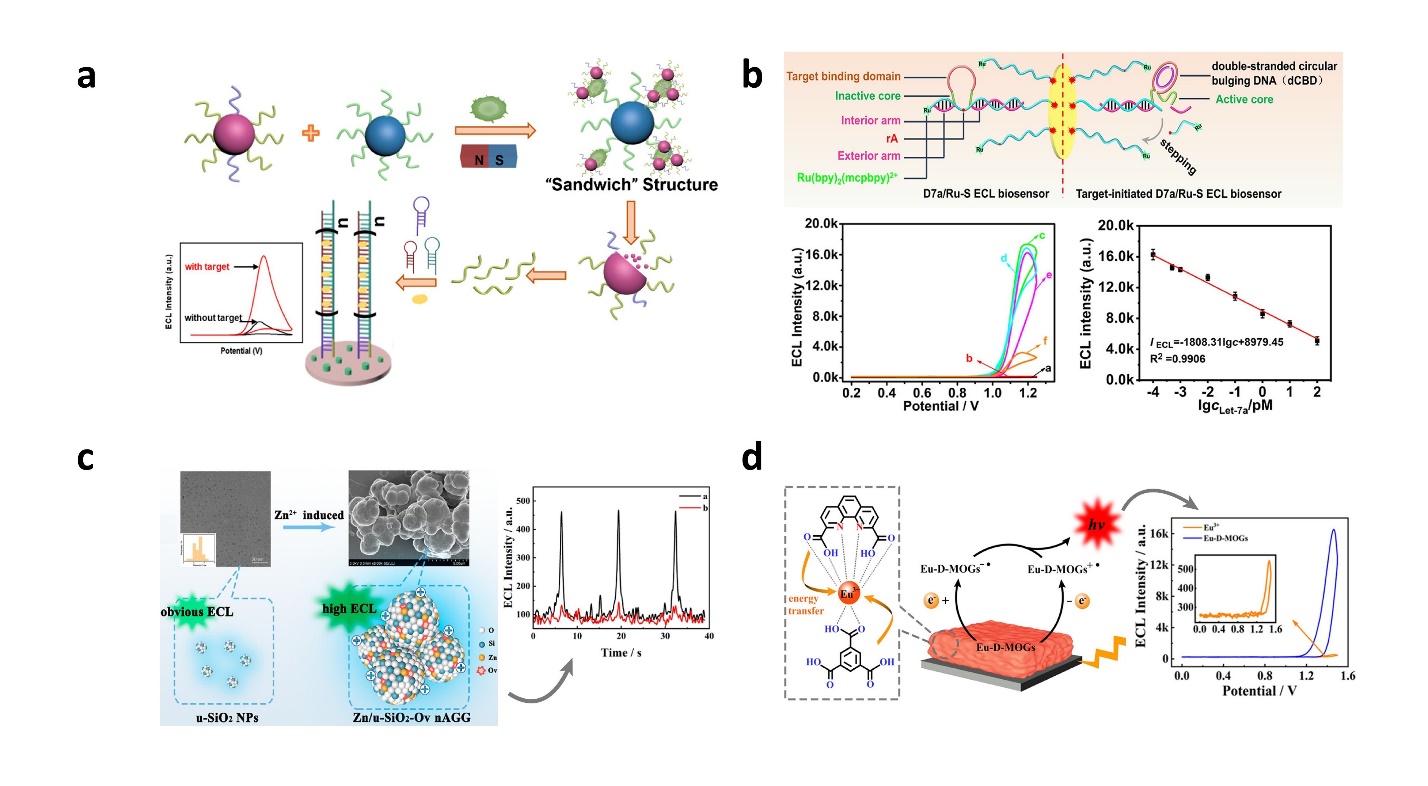
| [47] |
Min D, Liu D F, Wu J, Cheng L, Zhang F, Cheng Z H, Li W W, Yu H Q. Extracellular electron transfer via multiple electron shuttles in waterborneaeromonas hydrophilafor bioreduction of pollutants[J]. Biotechnol. Bioeng., 2021, 118(12): 4760-4770. http://dx.doi.org/10.1002/bit.27940.
doi: 10.1002/bit.27940 URL pmid: 34546573 |
| [48] |
Nelson N, Yocum C F. Structure and function of photosystems I and II[J]. Annu. Rev. Plant. Biol., 2006, 57: 521-565. http://dx.doi.org/10.1146/annurev.arplant.57.032905.105350.
URL pmid: 16669773 |
| [49] |
Yamori W, Shikanai T. Physiological functions of cyclic electron transport around photosystem i in sustaining photosynthesis and plant growth[J]. Annu. Rev. Plant. Biol., 2016, 67: 81-106. http://dx.doi.org/10.1146/annurev-arplant-043015-112002.
doi: 10.1146/annurev-arplant-043015-112002 URL pmid: 26927905 |
| [50] |
El-Khouly M E, El-Mohsnawy E, Fukuzumi S. Solar energy conversion: From natural to artificial photosynthesis[J]. J. Photochem. Photobiol., C, 2017, 31: 36-83. http://dx.doi.org/10.1016/j.jphotochemrev.2017.02.001.
doi: 10.1016/j.jphotochemrev.2017.02.001 URL |
| [51] |
Cestellos-Blanco S, Zhang H, Kim J M, Shen Y X, Yang P D. Photosynthetic semiconductor biohybrids for solar-driven biocatalysis[J]. Nat. Catal., 2020, 3(3): 245-255. http://dx.doi.org/10.1038/s41929-020-0428-y.
doi: 10.1038/s41929-020-0428-y URL |
| [52] |
Bassham J A, Benson A A, Kay L D, Anne Z. Harris, Wilson A T, Calvin M. The path of carbon in photosynthesis. Xxi. The cyclic regeneration of carbon dioxide acceptor[J]. J. Am. Chem. Soc., 1954, 76: 1760-1770. https://doi.org/10.1021/ja01636a012.
doi: 10.1021/ja01636a012 URL |
| [53] |
Ogren W L. Affixing the o to rubisco: Discovering the source of photorespiratory glycolate and its regulation[J]. Photosynth. Res., 2003, 76(1): 53-63. http://dx.doi.org/10.1023/A:1024913925002.
doi: 10.1023/A:1024913925002 URL |
| [54] |
Pan X W, Ma J, Su X D, Cao P, Chang W R, Liu Z F, Zhang X Z, Li M. Structure of the maize photosystem I supercomplex with light-harvesting complexes I and II[J]. Science, 2018, 360(6393): 1109-1113. http://dx.doi.org/doi:10.1126/science.aat1156.
pmid: 29880686 |
| [55] | Zhang C X, Chen C H, Dong H X, Shen J R, Dau H, Zhao J Q. A synthetic Mn4Ca-cluster mimicking the oxygen-evolving center of photosynthesis[J]. Science, 2015, 348(6235): 690-693. http://dx.doi.org/doi:10.1126/science.aaa6550. |
| [56] |
Kim J, Lin J A, Kim J, Roh I, Lee S, Yang P. A red-light-powered silicon nanowire biophotochemical diode for simultaneous CO2 reduction and glycerol valorization[J]. Nat. Catal., 2024, 7(9): 977-986. http://dx.doi.org/10.1038/s41929-024-01198-1.
doi: 10.1038/s41929-024-01198-1 URL |
| [57] |
Antonovsky N, Gleizer S, Noor E, Zohar Y, Herz E, Barenholz U, Zelcbuch L, Amram S, Wides A, Tepper N, Davidi D, Bar-On Y, Bareia T, Wernick D G, Shani I, Malitsky S, Jona G, Bar-Even A, Milo R. Sugar synthesis from CO2 in escherichia coli[J]. Cell, 2016, 166(1): 115-125. http://dx.doi.org/10.1016/j.cell.2016.05.064.
doi: 10.1016/j.cell.2016.05.064 URL pmid: 27345370 |
| [58] | Liu C, Colón B C, Ziesack M, Silver P A, Nocera D G. Water splitting-biosynthetic system with CO2reduction efficiencies exceeding photosynthesis[J]. Science, 2016, 352(6290): 1210-1213. http://dx.doi.org/doi:10.1126/science.aaf5039. |
| [59] | Wang Z H, Zhu C W, Chen W J, Gao Z Q, Zhang M M, Huang Y M, Lv F T, Bai H T, Zhu D B, Wang S. Electrochemiluminescence-driven chloroplast photosynthesis with conjugated polymers[J]. CCS Chem., 2025, 7(3): 752-764. http://dx.doi.org/doi:10.31635/ccschem.024.202405262. |
| [60] |
Lam E, Reisner E. A TiO2-CO(terpyridine)2 photocatalyst for the selective oxidation of cellulose to formate coupled to the reduction of CO2 to syngas[J]. Angew. Chem. Int. Ed., 2021, 60(43): 23306-23312. http://dx.doi.org/10.1002/anie.202108492.
doi: 10.1002/anie.v60.43 URL |
| [61] | Li B W, Ming H, Qin S Y, Nice E C, Dong J S, Du Z Y, Huang C H. Redox regulation: Mechanisms, biology and therapeutic targets in diseases[J]. Signal Transduct. Target. Ther., 2025, 10(1): 72. http://dx.doi.org/10.1038/s41392-024-02095-6. |
| [62] |
Sies H, Berndt C, Jones D P. Oxidative stress[J]. Annu. Rev. Biochem., 2017, 86(1): 715-748. http://dx.doi.org/10.1146/annurev-biochem-061516-045037.
doi: 10.1146/biochem.2017.86.issue-1 URL |
| [63] |
Lennicke C, Cochemé H M. Redox metabolism: ROS as specific molecular regulators of cell signaling and function[J]. Mol. Cell, 2021, 81(18): 3691-3707. http://dx.doi.org/10.1016/j.molcel.2021.08.018.
doi: 10.1016/j.molcel.2021.08.018 URL pmid: 34547234 |
| [64] |
Amatore C, Arbault S, Guille M, Lemaître F. Electrochemical monitoring of single cell secretion: Vesicular exocytosis and oxidative stress[J]. Chem. Rev., 2008, 108(7): 2585-2621. http://dx.doi.org/10.1021/cr068062g.
doi: 10.1021/cr068062g URL pmid: 18620370 |
| [65] | Hillard E A, de Abreu F C, Ferreira D C M, Jaouen G, Goulart M O F, Amatore C. Electrochemical parameters and techniques in drug development, with an emphasis on quinones and related compounds[J]. Chem. Commun., 2008, (23): 2612-2628. http://dx.doi.org/10.1039/b718116g. |
| [66] |
Wu W T, Jiang H, Qi Y T, Fan W T, Yan J, Liu Y L, Huang W H. Large‐scale synthesis of functionalized nanowires to construct nanoelectrodes for intracellular sensing[J]. Angew. Chem. Int. Ed., 2021, 60(35): 19337-19343. http://dx.doi.org/10.1002/anie.202106251.
doi: 10.1002/anie.v60.35 URL |
| [67] | Zhang S, Qin H C, Cheng S W, Zhang Y, Gao N, Zhang M N. An electrochemical nanosensor for monitoring the dynamics of intracellular h2o2 upon nadh treatment[J]. Angew. Chem. Int. Ed., 2023, 62(16): e202300083.http://dx.doi.org/10.1002/anie.202300083. |
| [68] | Shi X M, Xu Y T, Zhou B Y, Wang B, Yu S Y, Zhao W W, Jiang D C, Chen H Y, Xu J J. Electrochemical single-cell protein therapeutics using a double-barrel nanopipette[J]. Angew. Chem. Int. Ed., 2023, 62(9): e202215801.http://dx.doi.org/10.1002/anie.202215801. |
| [69] | Ma Y M, Hu W K, Hu J, Ruan M Y, Hu J, Yang M, Zhang Y, Xie H H, Hu C Z. Bifunctional nanoprobe for simultaneous detection of intracellular reactive oxygen species and temperature in single cells[J]. Microsyst. Nanoeng., 2024, 10(1): 171. http://dx.doi.org/10.1038/s41378-024-00814-1. |
| [70] |
Sun P, Laforge F O, Abeyweera T P, Rotenberg S A, Carpino J, Mirkin M V. Nanoelectrochemistry of mammalian cells[J]. Proc. Natl. Acad. Sci. U. S. A., 2008, 105(2): 443-448. http://dx.doi.org/10.1073/pnas.0711075105.
doi: 10.1073/pnas.0711075105 URL |
| [71] |
Liu K, Liu R J, Wang D C, Pan R R, Chen H Y, Jiang D C. Spatial analysis of reactive oxygen species in a 3D cell model using a sensitive nanocavity electrode[J]. Anal. Chem., 2022, 94(38): 13287-13292. http://dx.doi.org/10.1021/acs.analchem.2c03444.
doi: 10.1021/acs.analchem.2c03444 URL pmid: 36108154 |
| [72] |
Henne W M. Organelle homeostasis principles: How organelle quality control and inter-organelle crosstalk promote cell survival[J]. Developmental Cell, 2021, 56(7): 878-880. http://dx.doi.org/10.1016/j.devcel.2021.03.012.
doi: 10.1016/j.devcel.2021.03.012 URL pmid: 33823134 |
| [73] | Liu K, Zhang Z, Liu R J, Li J P, Jiang D C, Pan R R. Click-chemistry-enabled nanopipettes for the capture and dynamic analysis of a single mitochondrion inside one living cell[J]. Angew. Chem. Int. Ed., 2023, 62(34): e202303053.http://dx.doi.org/10.1002/anie.202303053. |
| [74] | Liu K, Wu L, Ma Y Y, Chen D S, Liu R J, Zhang X B, Jiang D C, Pan R R. Highly spatial-temporal electrochemical profiling of molecules trafficking at a single mitochondrion in one living cell[J]. Proc. Natl. Acad. Sci. USA, 2025, 122(12): e2424591122.http://dx.doi.org/10.1073/pnas.2424591122. |
| [75] |
Qi Y T, Zhang F L, Tian S Y, Wu H Q, Zhao Y, Zhang X W, Liu Y L, Fu P Q, Amatore C, Huang W H. Nanosensor detection of reactive oxygen and nitrogen species leakage in frustrated phagocytosis of nanofibres[J]. Nat. Nanotechnol., 2024, 19(4): 524-533. http://dx.doi.org/10.1038/s41565-023-01575-0.
doi: 10.1038/s41565-023-01575-0 URL |
| [76] | Jiao Y T, Kang Y R, Wen M Y, Wu H Q, Zhang X W, Huang W H. Fast antioxidation kinetics of glutathione intracellularly monitored by a dual‐wire nanosensor[J]. Angew. Chem. Int. Ed., 2023, 62(51): e202313612.http://dx.doi.org/10.1002/anie.202313612. |
| [77] |
Pan R R, Hu K K, Jia R, Rotenberg S A, Jiang D C, Mirkin M V. Resistive-pulse sensing inside single living cells[J]. J. Am. Chem. Soc., 2020, 142(12): 5778-5784. http://dx.doi.org/10.1021/jacs.9b13796.
doi: 10.1021/jacs.9b13796 URL pmid: 32119540 |
| [78] |
Hu K K, Li Y, Rotenberg S A, Amatore C, Mirkin M V. Electrochemical measurements of reactive oxygen and nitrogen species inside single phagolysosomes of living macrophages[J]. J. Am. Chem. Soc., 2019, 141(11): 4564-4568. http://dx.doi.org/10.1021/jacs.9b01217.
doi: 10.1021/jacs.9b01217 URL pmid: 30827109 |
| [79] |
Qi Y T, Jiang H, Wu W T, Zhang F L, Tian S Y, Fan W T, Liu Y L, Amatore C, Huang W H. Homeostasis inside single activated phagolysosomes: Quantitative and selective measurements of submillisecond dynamics of reactive oxygen and nitrogen species production with a nanoelectrochemical sensor[J]. J. Am. Chem. Soc., 2022, 144(22): 9723-9733. http://dx.doi.org/10.1021/jacs.2c01857.
doi: 10.1021/jacs.2c01857 URL |
| [80] |
Forman H J, Zhang H Q. Targeting oxidative stress in disease: Promise and limitations of antioxidant therapy[J]. Nat. Rev. Drug Discovery, 2021, 20(9): 689-709. http://dx.doi.org/10.1038/s41573-021-00233-1.
doi: 10.1038/s41573-021-00233-1 URL |
| [81] |
Liu Y L, Yu S Y, Chen J H, Wang C S, Li H Y, Jiang D C, Ye D J, Zhao W W. Organic molecular probe enabled ionic current rectification toward subcellular detection of glutathione with high selectivity, sensitivity, and recyclability[J]. ACS Sens., 2022, 7(11): 3272-3277. http://dx.doi.org/10.1021/acssensors.2c01897.
doi: 10.1021/acssensors.2c01897 URL |
| [82] | Wu W T, Chen X, Jiao Y T, Fan W T, Liu Y L, Huang W H. Versatile construction of biomimetic nanosensors for electrochemical monitoring of intracellular glutathione[J]. Angew. Chem. Int. Ed., 2022, 61(15): e202115820.http://dx.doi.org/10.1002/anie.202115820. |
| [83] | Nguyen H H, Lee S H, Lee U J, Fermin C D, Kim M. Immobilized enzymes in biosensor applications[J]. Materials, 2019, 12(1): 121. http://dx.doi.org/10.3390/ma12010121. |
| [84] |
Saha T, Del Caño R, Mahato K, De la Paz E, Chen C, Ding S, Yin L, Wang J. Wearable electrochemical glucose sensors in diabetes management: A comprehensive review[J]. Chem. Rev., 2023, 123(12): 7854-7889. http://dx.doi.org/10.1021/acs.chemrev.3c00078.
doi: 10.1021/acs.chemrev.3c00078 URL |
| [85] |
Felix F S, Angnes L. Electrochemical immunosensors - a powerful tool for analytical applications[J]. Biosens. Bioelectron., 2018, 102(15): 470-478. http://dx.doi.org/10.1016/j.bios.2017.11.029.
doi: 10.1016/j.bios.2017.11.029 URL |
| [86] |
Zhou W H, Jimmy Huang P J, Ding J S, Liu J W. Aptamer-based biosensors for biomedical diagnostics[J]. Analyst, 2014, 139(11): 2627-2640. http://dx.doi.org/10.1039/C4AN00132J.
doi: 10.1039/c4an00132j URL pmid: 24733714 |
| [87] | Sun H, Zhou P, Su B. Electrochemiluminescence of semiconductor quantum dots and its biosensing applications: A comprehensive review[J]. Biosensors, 2023, 13(7): 708. http://dx.doi.org/10.3390/bios13070708. |
| [88] |
Zhou L, Li X R, Zhu B Y, Su B. An overview of antifouling strategies for electrochemical analysis[J]. Electroanalysis, 2021, 33(6): 1-11. http://dx.doi.org/10.1002/elan.202100406.
doi: 10.1002/elan.v33.1 URL |
| [89] |
Zhou L, Ding H, Yan F, Guo W L, Su B. Electrochemical detection of alzheimer's disease related substances in biofluids by silica nanochannel membrane modified glassy carbon electrodes[J]. Analyst, 2018, 143(19): 4756-4763. http://dx.doi.org/10.1039/C8AN01457D.
doi: 10.1039/c8an01457d URL pmid: 30207331 |
| [90] |
Zhou L, Hou H F, Wei H, Yao L N, Sun L, Yu P, Su B, Mao L Q. In vivo monitoring of oxygen in rat brain by carbon fiber microelectrode modified with antifouling nanoporous membrane[J]. Anal. Chem., 2019, 91(5): 3645-3651. http://dx.doi.org/10.1021/acs.analchem.8b05658.
doi: 10.1021/acs.analchem.8b05658 URL pmid: 30688067 |
| [91] | Zhou L, Li X R, Su B. Spatial regulation control of oxygen metabolic consumption in mouse brain[J]. Adv. Sci., 2022, 9(34): 2204468. http://dx.doi.org/10.1002/advs.202204468. |
| [92] |
Yin Y Y, Zeng H, Wang H M, Zhang M N. Biocompatible microelectrode for in vivo sensing with improved performance[J]. Langmuir, 2023, 39(5): 1719-1729. http://dx.doi.org/10.1021/acs.langmuir.2c03267.
doi: 10.1021/acs.langmuir.2c03267 URL pmid: 36689914 |
| [93] |
Wang L Y, Xie S L, Wang Z Y, Liu F, Yang Y F, Tang C Q, Wu X Y, Liu P, Li Y J, Saiyin H, Zheng S, Sun X M, Xu F, Yu H B, Peng H S. Functionalized helical fibre bundles of carbon nanotubes as electrochemical sensors for long-term in vivo monitoring of multiple disease biomarkers[J]. Nat. Biomed. Eng., 2019, 3(4): 1-13. http://dx.doi.org/10.1038/s41551-019-0462-8.
doi: 10.1038/s41551-018-0346-3 URL |
| [94] | Ozer T, Henry C S. Review—recent advances in sensor arrays for the simultaneous electrochemical detection of multiple analytes[J]. J. Electrochem. Soc., 2021, 168(5): 057507. http://dx.doi.org/10.1149/1945-7111/abfc9f. |
| [95] |
Ying X D, Fu W X, Zhu L H, Sun T, Qi M, Zhou L, Wang Y F, Wang J, Su B, Zhang J. Electrochemical lateral flow immunoassay with built-in electrodes for ultrasensitive and wireless detection of inflammatory biomarkers[J]. Anal. Chem., 2024, 96(26): 10630-10638. http://dx.doi.org/10.1021/acs.analchem.4c01224.
doi: 10.1021/acs.analchem.4c01224 URL |
| [96] | Zhu B Y, Zhu L H, Li X R, Zhao Z Y, Cao J Y, Qi M, Gao Z G, Zhou L, Su B. A wearable integrated microneedle electrode patch for exercise management in diabetes[J]. Research, 2024, 7(1): 0508.http://dx.doi.org/10.34133/research.0508. |
| [97] |
Zhao Z Y, Zhu B Y, Li X R, Cao J Y, Qi M, Zhou L, Su B. Microneedle electrode patch modified with graphene oxide and carbon nanotubes for continuous uric acid monitoring and diet management in hyperuricemia[J]. ACS Appl. Bio Mater., 2024, 7(12): 8456-8464. http://dx.doi.org/10.1021/acsabm.4c01286.
doi: 10.1021/acsabm.4c01286 URL pmid: 39636040 |
| [98] | Li X R, Zhu B Y, Dong N, Zhao Z Y, Cao J Y, Zhou L, Gao Z G, Su B. Early detection of high-altitude hypoxic brain injury by in vivo electrochemistry[J]. Angew. Chem. Int. Ed., 2025, 64(4): e202416395. http://dx.doi.org/10.1002/anie.202416395. |
| [99] |
Zhou L, Yang R, Li X R, Dong N, Zhu B Y, Wang J, Lin X, Su B. COF-coated microelectrode for space-confined electrochemical sensing of dopamine in parkinson’s disease model mouse brain[J]. J. Am. Chem. Soc., 2023, 145(43): 23727-23738. http://dx.doi.org/10.1021/jacs.3c08256.
doi: 10.1021/jacs.3c08256 URL |
| [100] |
Zhu B Y, Li X R, Zhu L H, Qi M, Cao J Y, Zhou L, Su B. In vivo electrochemical measurement of glucose variation in the brain of early diabetic mice[J]. ACS Sens., 2023, 8(11): 4064-4070. http://dx.doi.org/10.1021/acssensors.3c01165.
doi: 10.1021/acssensors.3c01165 URL |
| [101] |
Liu Y J, Zhang H D, Li B X, Liu J W, Jiang D C, Liu B H, Sojic N. Single biomolecule imaging by electrochemiluminescence[J]. J. Am. Chem. Soc., 2021, 143(43): 17910-17914. http://dx.doi.org/10.1021/jacs.1c06673
doi: 10.1021/jacs.1c06673 URL pmid: 34677969 |
| [102] |
Zhao Y X, Ye Z Y, Liu Y L, Zhang J J, Kuermanbayi S, Zhou Y, Guo H, Xu F, Li F. Investigating the role of extracellular matrix stiffness in modulating the ferroptosis process in hepatocellular carcinoma cells via scanning electrochemical microscopy[J]. Anal. Chem., 2024, 96(3): 1102-1111. http://dx.doi.org/10.1021/acs.analchem.3c03771.
doi: 10.1021/acs.analchem.3c03771 URL pmid: 38179931 |
| [103] |
Swiatlowska P, Sanchez-Alonso J L, Wright P T, Novak P, Gorelik J. Microtubules regulate cardiomyocyte transversal young's modulus[J]. Proc. Natl. Acad. Sci. USA, 2020, 117(6): 2764-2766. http://dx.doi.org/10.1073/pnas.1917171117.
doi: 10.1073/pnas.1917171117 URL pmid: 31988123 |
| [104] |
Ma C, Wu S J, Zhou Y, Wei H F, Zhang J R, Chen Z X, Zhu J J, Lin Y H, Zhu W L. Bio-coreactant-enhanced electrochemiluminescence microscopy of intracellular structure and transport[J]. Angew. Chem. Int. ed. Engl., 2021, 60(9): 4907-4914. http://dx.doi.org/10.1002/anie.202012171.
doi: 10.1002/anie.v60.9 URL |
| [105] | Chen M M, Xu C H, Zhao W, Chen H Y, Xu J J. Single cell imaging of electrochemiluminescence-driven photodynamic therapy[J]. Angew. Chem. Int. Ed., 2022, 61(16): e202117401.http://dx.doi.org/10.1002/anie.202117401. |
| [106] |
Han D N, Yang M, Feng Z Y, Wu Y L, Sojic N, Jiang D C. Thickness-resolved electrochemiluminescence microscopy of extracellular matrix at tumor tissues for rapid cancer diagnosis[J]. ACS Appl. Mater. Interfaces, 2024, 16(25): 32078-32086. http://dx.doi.org/10.1021/acsami.4c05735.
doi: 10.1021/acsami.4c05735 URL |
| [107] |
Han D N, Sojic N, Jiang D C. Spatial profiling of multiple enzymatic activities at single tissue sections via fenton-promoted electrochemiluminescence[J]. J. Am. Chem. Soc., 2025, 147(11): 9610-9619. http://dx.doi.org/10.1021/jacs.4c17749.
doi: 10.1021/jacs.4c17749 URL pmid: 40063963 |
| [108] |
Bard A J, Fan F R F, Kwak J, Lev O. Scanning electrochemical microscopy. Introduction and principles[J]. Anal. Chem., 1989, 61(2): 132-138. http://dx.doi.org/10.1021/ac00177a011.
doi: 10.1021/ac00177a011 URL |
| [109] | Thinda S, Limaa D, Booyb E, Trinhc D, McKennab S A, Kussa S. Cytochrome c oxidase deficiency detection in human fibroblasts using scanning electrochemical microscopy[J]. Proc. Natl. Acad. Sci. USA, 2024, 1021: e2310288120. http://dx.doi.org/10.1073/pnas. |
| [110] |
Zhao Y X, Li Y B, Kuermanbayi S, Liu Y L, Zhang J J, Ye Z Y, Guo H, Qu K, Xu F, Li F. In situ and quantitatively monitoring the dynamic process of ferroptosis in single cancer cells by scanning electrochemical microscopy[J]. Anal. Chem., 2023, 95(3): 1940-1948. http://dx.doi.org/10.1021/acs.analchem.2c04179.
doi: 10.1021/acs.analchem.2c04179 URL |
| [111] |
Lin T E, Lu Y J, Sun C L, Pick H, Chen J P, Lesch A, Girault H H. Soft electrochemical probes for mapping the distribution of biomarkers and injected nanomaterials in animal and human tissues[J]. Angew. Chem. Int. Ed., 2017, 56(52): 16498-16502. https://doi.org/10.1002/anie.201709271.
doi: 10.1002/anie.v56.52 URL |
| [112] |
Hansma P K, Drake B, Marti, Gould S A C, Prater C B. The scanning ion-conductance microscope[J]. Science, 1989, 243: 641-643. http://dx.doi.org/10.1126/science.2464851.
URL pmid: 2464851 |
| [113] |
Zhu C, Huang K X, Siepser N P, Baker L A. Scanning ion conductance microscopy[J]. Chem. Rev., 2021, 121(19): 11726-11768. http://dx.doi.org/10.1021/acs.chemrev.0c00962.
doi: 10.1021/acs.chemrev.0c00962 URL |
| [114] |
Novak P, Li C, Shevchuk A I, Stepanyan R, Caldwell M, Hughes S, Smart T G, Gorelik J, Ostanin V P, Lab M J, Moss G W, Frolenkov G I, Klenerman D, Korchev Y E. Nanoscale live-cell imaging using hopping probe ion conductance microscopy[J]. Nat. Methods, 2009, 6(4): 279-281. http://dx.doi.org/10.1038/nmeth.1306.
doi: 10.1038/nmeth.1306 URL pmid: 19252505 |
| [115] |
Nikolaev V O, Moshkov A, Lyon A R, Miragoli M, Novak P, Paur H, Lohse M J, Korchev Y E, Harding S E, Gorelik J. Β2-adrenergic receptor redistribution in heart failure changes camp compartmentation[J]. Science, 2010, 327: 1653-1657. http://dx.doi.org/10.1126/science.1185988.
doi: 10.1126/science.1185988 URL |
| [116] |
Bednarska J, Pelchen-Matthews A, Novak P, Burden J J, Summers P A, Kuimova M K, Korchev Y, Marsh M, Shevchuk A. Rapid formation of human immunodeficiency virus-like particles[J]. Proc. Natl. Acad. Sci. USA, 2020, 117(35): 21637-21646. http://dx.doi.org/10.1073/pnas.2008156117.
doi: 10.1073/pnas.2008156117 URL pmid: 32817566 |
| [117] |
Takahashi Y, Zhou Y S, Miyamoto T, Higashi H, Nakamichi N, Takeda Y, Kato Y, Korchev Y, Fukuma T. High-speed sicm for the visualization of nanoscale dynamic structural changes in hippocampal neurons[J]. Anal. Chem., 2019, 92(2): 2159-2167. http://dx.doi.org/10.1021/acs.analchem.9b04775.
doi: 10.1021/acs.analchem.9b04775 URL |
| [118] | Han T T, Ma C, Wang L Y, Cao Y, Chen H Y, Zhu J J. A novel electrochemiluminescence janus emitter for dual‐mode biosensing[J]. Adv. Funct. Mater., 2022, 32(24): 2200863.http://dx.doi.org/10.1002/adfm.202200863. |
| [119] |
Cao Y, Wu R, Gao Y Y, Zhou Y, Zhu J J. Advances of electrochemical and electrochemiluminescent sensors based on covalent organic frameworks[J]. Nano-Micro Lett., 2023, 16: 37. http://dx.doi.org/10.1007/s40820-023-01249-5.
doi: 10.1007/s40820-023-01249-5 URL pmid: 38032432 |
| [120] |
Barhoum A, Altintas Z, Devi K S S, Forster R J. Electrochemiluminescence biosensors for detection of cancer biomarkers in biofluids: Principles, opportunities, and challenges[J]. Nano Today, 2023, 50: 101874. http://dx.doi.org/10.1016/j.nantod.2023.101874.
doi: 10.1016/j.nantod.2023.101874 URL |
| [121] |
Cao Y, Zhou J L, Ma Y, Zhou Y S, Zhu J J. Recent progress of metal nanoclusters in electrochemiluminescence[J]. Dalton Trans., 2022, 51(23): 8927-8937. http://dx.doi.org/10.1039/d2dt00810f.
doi: 10.1039/D2DT00810F URL |
| [122] | Fu W X, Wang X X, Ying X D, Sun T, Wang Y F, Wang J, Su B. Electrochemiluminescence lateral flow immunoassay using ruthenium(II) complex‐loaded dendritic mesoporous silica nanospheres for highly sensitive and quantitative detection of SARS‐CoV‐2 nucleocapsid protein[J]. Adv. Funct. Mater., 2024, 34(51): 2409632.http://dx.doi.org/10.1002/adfm.202409632. |
| [123] |
Yu J, Stankovic D, Vidic J, Sojic N. Recent advances in electrochemiluminescence immunosensing[J]. Sens. Diagn., 2024, 3(12): 1887-1898. http://dx.doi.org/10.1039/d4sd00272e.
doi: 10.1039/D4SD00272E URL |
| [124] | Du F X, Chen Y Q, Meng C D, Lou B H, Zhang W, Xu G B. Recent advances in electrochemiluminescence immunoassay based on multiple-signal strategy[J]. Curr. Opin. Electrochem., 2021, 28: 100725. http://dx.doi.org/10.1016/j.coelec.2021.100725. |
| [125] |
Xu R C, Yang Q T, Yang W, Zhang Y J, Chauvin J, Zhang X J, Cosnier S, Marks R S, Shan D. Embracing nature’s wisdom: Liposome-mediated amplification of electrochemiluminescence for the sensitive and selective immunoassay of serum amyloid a[J]. Anal. Chem., 2024, 97(1): 945-952. http://dx.doi.org/10.1021/acs.analchem.4c05685.
doi: 10.1021/acs.analchem.4c05685 URL |
| [126] |
Chen X, Su C P, Yang Y, Weng Z M, Zhuang Q Q, Hong G L, Peng H P, Chen W. Clinical evaluation of the HER2 extracellular domain in breast cancer patients by herceptin-encapsulated gold nanocluster probe-based electrochemiluminescence immunoassay[J]. Anal. Chem., 2024, 97(1): 872-879. http://dx.doi.org/10.1021/acs.analchem.4c05496.
doi: 10.1021/acs.analchem.4c05496 URL |
| [127] |
Dong X, Zhao G H, Li Y Y, Zeng Q Z, Ma H M, Wu D, Ren X, Wei Q, Ju H X. Dual-mechanism quenching of electrochemiluminescence immunosensor based on a novel ECL emitter polyoxomolybdate-zirconia for 17β-estradiol detection[J]. Anal. Chem., 2022, 94(37): 12742-12749. http://dx.doi.org/10.1021/acs.analchem.2c02350.
doi: 10.1021/acs.analchem.2c02350 URL pmid: 36054064 |
| [128] |
Xia X S, Dong X, Du Y, Wu T T, Liu X J, Jia D H, Li F Y, Wei Q, Cai B. Multivalent redox reversible conversion-enhanced electrochemiluminescence strategy for progesterone detection[J]. Anal. Chem., 2025, 97(6): 3720-3728. http://dx.doi.org/10.1021/acs.analchem.4c06615.
doi: 10.1021/acs.analchem.4c06615 URL pmid: 39908417 |
| [129] |
Yao B, Zhang J, Fan Z Q, Ding Y D, Zhou B, Yang R L, Zhao J F, Zhang K. Rational engineering of the DNA walker amplification strategy by using a Au@Ti3C2@PEI-Ru(dcbpy)32+ nanocomposite biosensor for detection of the SARS-CoV-2 rdrp gene[J]. ACS Appl. Mater. Interfaces, 2021, 13(17): 19816-19824. http://dx.doi.org/10.1021/acsami.1c04453.
doi: 10.1021/acsami.1c04453 URL |
| [130] |
Gao X W, Ren X X, Ai Y J, Li M W, Zhang B, Zou G Z. Dual-potential encoded electrochemiluminescence for multiplexed gene assay with one luminophore as tag[J]. Biosens. Bioelectron., 2023, 236: 115418. http://dx.doi.org/10.1016/j.bios.2023.115418.
doi: 10.1016/j.bios.2023.115418 URL |
| [131] |
Li S J, Shi J Y, Yang X, Qiao Y X, Jiang Y, Zhou Y Q, Li Y, Zhang C X. Washing-free electrochemiluminescence biosensor for the simultaneous determination of n6 methyladenosines incorporating a tri-double resolution strategy[J]. ACS Sens., 2023, 8(7): 2771-2779. http://dx.doi.org/10.1021/acssensors.3c00679.
doi: 10.1021/acssensors.3c00679 URL |
| [132] |
Li S J, Liu Y, Ma Q. Nanoparticle-based electrochemiluminescence cytosensors for single cell level detection[J]. TrAC Trends Anal. Chem., 2019, 110: 277-292. http://dx.doi.org/10.1016/j.trac.2018.11.019.
doi: 10.1016/j.trac.2018.11.019 URL |
| [133] |
Peng Y, Lu B, Deng Y, Yang N N, Li G X. A dual-recognition-controlled electrochemical biosensor for accurate and sensitive detection of specific circulating tumor cells[J]. Biosens. Bioelectron., 2022, 201: 113973. http://dx.doi.org/10.1016/j.bios.2022.113973.
doi: 10.1016/j.bios.2022.113973 URL |
| [134] |
Wu Q W, Geng F, Liu C C, Wang J, Song X Z, Ding C F. Ratiometric electrochemiluminescence biosensor based on red blood cell membrane as an efficient antifouling interface for ultrasensitive analysis of circulating tumor cells in human serum[J]. Biosens. Bioelectron., 2025, 278: 117358. http://dx.doi.org/10.1016/j.bios.2025.117358.
doi: 10.1016/j.bios.2025.117358 URL |
| [135] |
Wang N N, Ao H, Xiao W C, Chen W W, Li G M, Wu J, Ju H X. Confined electrochemiluminescence imaging microarray for high-throughput biosensing of single cell-released dopamine[J]. Biosens. Bioelectron., 2022, 201: 113959. http://dx.doi.org/10.1016/j.bios.2021.113959.
doi: 10.1016/j.bios.2021.113959 URL |
| [136] |
Wang Y L, Jiang D C, Chen H Y. Wireless electrochemical visualization of intracellular antigens in single cells[J]. CCS Chem., 2022, 4(7): 2221-2227. http://dx.doi.org/10.31635/ccschem.021.202101017.
doi: 10.31635/ccschem.021.202101017 URL |
| [137] |
Meng X D, Pang X J, Liu X Y, Luo S Y, Zhang X J, Dong H F. Ultrasensitive electrochemiluminescence biosensor based on DNA-bio-bar-code and hybridization chain reaction dual signal amplification for exosomes detection[J]. Anal. Chem., 2024, 96(32): 13299-13307. http://dx.doi.org/10.1021/acs.analchem.4c02917.
doi: 10.1021/acs.analchem.4c02917 URL pmid: 39090799 |
| [138] |
Duan J X, Cao W W, Zhu X, Li Q, Yuan R, Wang H J. Electrochemiluminescence of ultrasmall silica nanoparticles from size modulation and multipath surface state adjustment for ultrasensitive HIV-DNA fragment detection[J]. Anal. Chem., 2024, 96(28): 11280-11289. http://dx.doi.org/10.1021/acs.analchem.4c01106.
doi: 10.1021/acs.analchem.4c01106 URL pmid: 38954610 |
| [139] |
Zhao X Y, Liu L L, Xu Y Q, Xiang L, Yuan R, Chai Y Q. Dual-ligand europium-organic gels as a highly efficient anodic annihilation electrochemiluminescence emitter for ultrasensitive detection of microrna[J]. Anal. Chem., 2024, 96(24): 9961-9968. http://dx.doi.org/10.1021/acs.analchem.4c01239.
doi: 10.1021/acs.analchem.4c01239 URL |
| [140] |
Zhang J, He H N, Du S M, Xie B T, Gao H J, Fu H Q, Liao Y W. Electrochemiluminescence biosensor based on a self-protected dnazyme walker with a circular bulging DNA shield for microrna detection[J]. Anal. Chem., 2025, 97(8): 4606-4613. http://dx.doi.org/10.1021/acs.analchem.4c06552.
doi: 10.1021/acs.analchem.4c06552 URL |
| [141] |
Han D, Yang K, Sun S G, Wen J. Signal amplification strategies in electrochemiluminescence biosensors[J]. Chem. Eng. J., 2023, 476: 146688. http://dx.doi.org/10.1016/j.cej.2023.146688.
doi: 10.1016/j.cej.2023.146688 URL |
| [142] |
Collinson M M, Wightman R M. Observation of individual chemical reactions in solution[J]. Science, 1995, 268(5219): 1883-1885. http://dx.doi.org/doi:10.1126/science.268.5219.1883.
pmid: 17797530 |
| [143] | Kim E, Chen C Y, Chu M J, Hamstra M F, Bentley W E, Payne G F. Proline‐selective electrochemiluminescence detecting a single amino acid variation between A1 and A2 β-casein containing milks[J]. Adv. Sci., 2024, 12(5): 2411956.http://dx.doi.org/10.1002/advs.202411956. |
| [144] |
Zhao S Y, Tang X, Tian W W, Partarrieu S, Liu R, Shen H, Lee J Y, Guo S Q, Lin Z W, Liu J. Tracking neural activity from the same cells during the entire adult life of mice[J]. Nat. Neurosci., 2023, 26(4): 696-710. http://dx.doi.org/10.1038/s41593-023-01267-x.
doi: 10.1038/s41593-023-01267-x URL |
| [145] |
Xiong T Y, Li C W, He X L, Xie B Y, Zong J W, Jiang Y N, Ma W J, Wu F, Fei J J, Yu P, Mao L Q. Neuromorphic functions with a polyelectrolyte-confined fluidic memristor[J]. Science, 2023, 379(6628): 156-161. http://dx.doi.org/10.1126/science.adc9150.
doi: 10.1126/science.adc9150 URL pmid: 36634194 |
| [146] | Xie B Y, Xiong T Y, Guo G G, Pan C, Ma W J, Yu P. Bioinspired ion-shuttling memristor with both neuromorphic functions and ion selectivity[J]. Proc. Natl. Acad. Sci., 2025, 122(10): e2417040122. http://dx.doi.org/10.1073/pnas.2417040122. |
| [147] | Yue Q W, Wang K, Guan M, Zhao Z W, Li X C, Yu P, Mao L Q. Single-vesicle electrochemistry reveals sex difference in vesicular storage and release of catecholamine[J]. Angew. Chem. Int. Ed., 2022, 61(14): e202117596. http://dx.doi.org/10.1002/anie.202117596. |
| [148] |
Yang X K, Zhang F L, Wu W T, Tang Y, Yan J, Liu Y L, Amatore C, Huang W H. Quantitative nano-amperometric measurement of intravesicular glutamate content and its sub-quantal release by living neurons[J]. Angew. Chem. Int. Ed., 2021, 60(29): 15803-15808. http://dx.doi.org/10.1002/anie.202100882.
doi: 10.1002/anie.v60.29 URL |
| [149] | Phan N T N, Li X, Ewing A G. Measuring synaptic vesicles using cellular electrochemistry and nanoscale molecular imaging[J]. Nat. Rev. Chem., 2017, 1(6): 0048. http://dx.doi.org/10.1038/s41570-017-0048. |
| [150] |
Li J X, Liu Y X, Yuan L, Zhang B B, Bishop E S, Wang K C, Tang J, Zheng Y Q, Xu W H, Niu S M, Beker L, Li T L, Chen G, Diyaolu M, Thomas A L, Mottini V, Tok J B H, Dunn J C Y, Cui B X, Pașca S P, Cui Y, Habtezion A, Chen X K, Bao Z N. A tissue-like neurotransmitter sensor for the brain and gut[J]. Nature, 2022, 606(7912): 94-101. http://dx.doi.org/10.1038/s41586-022-04615-2.
doi: 10.1038/s41586-022-04615-2 URL |
| [151] |
Wu F, Cheng H J, Wei H, Xiong T Y, Yu P, Mao L Q. Galvanic redox potentiometry for self-driven in vivo measurement of neurochemical dynamics at open-circuit potential[J]. Anal. Chem., 2018, 90(21): 13021-13029. http://dx.doi.org/10.1021/acs.analchem.8b03854.
doi: 10.1021/acs.analchem.8b03854 URL pmid: 30335971 |
| [152] | Yang X K, Zhang F L, Jin X K, Jiao Y T, Zhang X W, Liu Y L, Amatore C, Huang W H. Nanoelectrochemistry reveals how soluble aβ42 oligomers alter vesicular storage and release of glutamate[J]. Proc. Natl. Acad. Sci., 2023, 120(19): e2219994120. http://dx.doi.org/10.1073/pnas.2219994120. |
| [153] |
Roberts J G, Sombers L A. Fast-scan cyclic voltammetry: Chemical sensing in the brain and beyond[J]. Anal. Chem., 2018, 90(1): 490-504. http://dx.doi.org/10.1021/acs.analchem.7b04732.
doi: 10.1021/acs.analchem.7b04732 URL pmid: 29182309 |
| [154] | Shin M, Venton B J. Fast-scan cyclic voltammetry (fscv) reveals behaviorally evoked dopamine release by sugar feeding in the adult drosophila mushroom body[J]. Angew. Chem. Int. Ed., 2022, 61(44): e202207399. http://dx.doi.org/10.1002/anie.202207399. |
| [155] |
Xue Y F, Ji W L, Jiang Y, Yu P, Mao L Q. Deep learning for voltammetric sensing in a living animal brain[J]. Angew. Chem. Int. Ed., 2021, 60(44): 23777-23783. http://dx.doi.org/10.1002/anie.202109170.
doi: 10.1002/anie.v60.44 URL |
| [156] | Xu T C, Ji W L, Zhang Y, Wang X F, Gao N, Mao L Q, Zhang M N. Synergistic charge percolation in conducting polymers enables high-performance in vivo sensing of neurochemical and neuroelectrical signals[J]. Angew. Chem. Int. Ed., 2022, 61(41): e202204344. http://dx.doi.org/10.1002/anie.202204344. |
| [157] |
Wang Y, Qian Y J, Zhang L M, Zhang Z H, Chen S W, Liu J F, He X, Tian Y. Conductive metal-organic framework microelectrodes regulated by conjugated molecular wires for monitoring of dopamine in the mouse brain[J]. J. Am. Chem. Soc., 2023, 145(4): 2118-2126. http://dx.doi.org/10.1021/jacs.2c07053.
doi: 10.1021/jacs.2c07053 URL pmid: 36650713 |
| [158] |
Zhou L, Yang R J, Li X R, Dong N, Zhu B Y, Wang J J, Lin X Y, Su B. Cof-coated microelectrode for space-confined electrochemical sensing of dopamine in parkinson’s disease model mouse brain[J]. J. Am. Chem. Soc., 2023, 145(43): 23727-23738. http://dx.doi.org/10.1021/jacs.3c08256.
doi: 10.1021/jacs.3c08256 URL |
| [159] | Li W Q, Jin J, Xiong T Y, Yu P, Mao L Q. Fast-scanning potential-gated organic electrochemical transistors for highly sensitive sensing of dopamine in living rat brain[J]. Angew. Chem. Int. Ed., 2022, 61(31): e202204134. http://dx.doi.org/10.1002/anie.202204134. |
| [160] | Zhu F H, Xue Y F, Ji W L, Li X, Ma W J, Yu P, Jiang Y, Mao L Q. Galvanic redox potentiometry for fouling-free and stable serotonin sensing in a living animal brain[J]. Angew. Chem. Int. Ed., 2023, 62(11): e202212458. http://dx.doi.org/10.1002/anie.202212458. |
| [161] | Li J X, Fan W T, Sun M Y, Zhao Y, Lu Y F, Yang Y B, Huang W H, Liu Y L. Flexible fiber sensors for real-time monitoring of redox signaling molecules in exercise-mimicking engineered skeletal muscle[J]. Angew. Chem. Int. Ed., 2025, 64(11): e202421684. http://dx.doi.org/10.1002/anie.202421684. |
| [162] | Qin Y, Li J X, Cai W, Fan W T, Duan B, Zhao Y, Huang G Y, Huang W H, Liu Y L. A cartilage-on-a-chip for recapitulating cell microenvironment and real-time nitric oxide monitoring[J]. Device, 2024, 2(6): 100410. http://dx.doi.org/10.1016/j.device.2024.100410. |
| [163] | Yan J, Zhang F L, Jin K Q, Li J X, Wang L J, Fan W T, Huang W H, Liu Y L. Mechanical strain induces and increases vesicular release monitored by microfabricated stretchable electrodes[J]. Angew. Chem. Int. Ed., 2024, 63(30): e202403241. http://dx.doi.org/10.1002/anie.202403241. |
| [164] |
Qi Y T, Jiang H, Wu W T, Zhang F L, Tian S Y, Fan W T, Liu Y L, Amatore C, Huang W H. Homeostasis inside single activated phagolysosomes: Quantitative and selective measurements of submillisecond dynamics of reactive oxygen and nitrogen species production with a nanoelectrochemical sensor[J]. J. Am. Chem. Soc., 2022, 144(22): 9723-9733. http://dx.doi.org/10.1021/jacs.2c01857.
doi: 10.1021/jacs.2c01857 URL |
| [165] |
Qi Y T, Zhang F L, Tian S Y, Wu H Q, Zhao Y, Zhang X W, Liu Y L, Fu P Q, Amatore C, Huang W H. Nanosensor detection of reactive oxygen and nitrogen species leakage in frustrated phagocytosis of nanofibres[J]. Nat. Nanotechnol., 2024, 19(4): 524-533. http://dx.doi.org/10.1038/s41565-023-01575-0.
doi: 10.1038/s41565-023-01575-0 URL |
| [166] | Zhang S Y, Cao Z Y, Fan P P, Sun W, Xiao Y Q, Zhang P K, Wang Y Q, Huang S. Discrimination of disaccharide isomers of different glycosidic linkages using a modified mspa nanopore[J]. Angew. Chem. Int. Ed., 2024, 63(8): e202316766. http://dx.doi.org/10.1002/anie.202316766. |
| [167] |
Pan R R, Hu K K, Jia R, Rotenberg S A, Jiang D C, Mirkin M V. Resistive-pulse sensing inside single living cells[J]. J. Am. Chem. Soc., 2020, 142(12): 5778-5784. http://dx.doi.org/10.1021/jacs.9b13796.
doi: 10.1021/jacs.9b13796 URL pmid: 32119540 |
| [168] | Ma H, Wang Y Y, Li Y X, Xie B K, Hu Z L, Yu R J, Long Y T, Ying Y L. Label-free mapping of multivalent binding pathways with ligand-receptor-anchored nanopores[J]. J. Am. Chem. Soc., 2024, 146(41): 28014-28022. http://dx.doi.org/10.1021/jacs.4c04934. |
| [169] | Titov D V, Cracan V, Goodman R P, Peng J, Grabarek Z, Mootha V K. Complementation of mitochondrial electron transport chain by manipulation of the nad/nadh ratio[J]. Science, 2016, 352(6282): 231-235. http://dx.doi.org/doi:10.1126/science.aad4017. |
| [170] | Li B W, Ming H, Qin S Y, Nice E C, Dong J S, Du Z Y, Huang C H. Redox regulation: Mechanisms, biology and therapeutic targets in diseases[J]. Signal Transduct. Target. Ther., 2025, 10(1): 72. http://dx.doi.org/10.1038/s41392-024-02095-6. |
| [171] |
Yang C, Guo Y L, Zhang H, Guo X F. Utilization of electric fields to modulate molecular activities on the nanoscale: From physical properties to chemical reactions[J]. Chem. Rev., 2025, 125(1): 223-293. http://dx.doi.org/10.1021/acs.chemrev.4c00327.
doi: 10.1021/acs.chemrev.4c00327 URL pmid: 39621876 |
| [172] |
Fourmond V, Plumeré N, Léger C. Reversible catalysis[J]. Nat. Rev. Chem., 2021, 5(5): 348-360. http://dx.doi.org/10.1038/s41570-021-00268-3.
doi: 10.1038/s41570-021-00268-3 URL pmid: 37117844 |
| [173] | Hirose A, Kasai T, Aoki M, Umemura T, Watanabe K, Kouzuma A. Electrochemically active bacteria sense electrode potentials for regulating catabolic pathways[J]. Nat. Commun., 2018, 9(1): 1083. http://dx.doi.org/10.1038/s41467-018-03416-4. |
| [174] |
Tamirat A G, Guan X Z, Liu J Y, Luo J Y, Xia Y Y. Redox mediators as charge agents for changing electrochemical reactions[J]. Chem. Soc. Rev., 2020, 49(20): 7454-7478. http://dx.doi.org/10.1039/D0CS00489H.
doi: 10.1039/D0CS00489H URL |
| [175] |
Huang J, Xue S, Buchmann P, Teixeira A P, Fussenegger M. An electrogenetic interface to program mammalian gene expression by direct current[J]. Nat. Metab., 2023, 5(8): 1395-1407. http://dx.doi.org/10.1038/s42255-023-00850-7.
doi: 10.1038/s42255-023-00850-7 URL |
| [176] |
Terrell J L, Tschirhart T, Jahnke J P, Stephens K, Liu Y, Dong H, Hurley M M, Pozo M, McKay R, Tsao C Y, Wu H C, Vora G, Payne G F, Stratis-Cullum D N, Bentley W E. Bioelectronic control of a microbial community using surface-assembled electrogenetic cells to route signals[J]. Nat. Nanotechnol., 2021, 16(6): 688-697. http://dx.doi.org/10.1038/s41565-021-00878-4.
doi: 10.1038/s41565-021-00878-4 URL pmid: 33782589 |
| [177] |
Park J, Jin K, Sahasrabudhe A, Chiang P H, Maalouf J H, Koehler F, Rosenfeld D, Rao S Y, Tanaka T, Khudiyev T, Schiffer Z J, Fink Y, Yizhar O, Manthiram K, Anikeeva P. In situ electrochemical generation of nitric oxide for neuronal modulation[J]. Nat. Nanotechnol., 2020, 15(8): 690-697. http://dx.doi.org/10.1038/s41565-020-0701-x.
doi: 10.1038/s41565-020-0701-x URL pmid: 32601446 |
| [178] | Bhokisham N, VanArsdale E, Stephens K T, Hauk P, Payne G F, Bentley W E. A redox-based electrogenetic crispr system to connect with and control biological information networks[J]. Nat. Commun., 2020, 11(1): 2427. http://dx.doi.org/10.1038/s41467-020-16249-x. |
| [179] |
Jain A, Gosling J, Liu S C, Wang H W, Stone E M, Chakraborty S, Jayaraman P-S, Smith S, Amabilino D B, Fromhold M, Long Y T, Pérez-García L, Turyanska L, Rahman R, Rawson F J. Wireless electrical-molecular quantum signalling for cancer cell apoptosis[J]. Nat. Nanotechnol., 2023, 19(1): 106-114. http://dx.doi.org/10.1038/s41565-023-01496-y.
doi: 10.1038/s41565-023-01496-y URL pmid: 37709951 |
| [180] |
Loynd C, Roy S J S, Ovalle V J, Canarelli S E, Mondal A, Jewel D, Ficaretta E D, Weerapana E, Chatterjee A. Electrochemical labelling of hydroxyindoles with chemoselectivity for site-specific protein bioconjugation[J]. Nat. Chem., 2024, 16(3): 389-397. http://dx.doi.org/10.1038/s41557-023-01375-y.
doi: 10.1038/s41557-023-01375-y URL |
| [181] | Depienne S, Bouzelha M, Courtois E, Pavageau K, Lalys P A, Marchand M, Alvarez-Dorta D, Nedellec S, Marín-Fernández L, Grandjean C, Boujtita M, Deniaud D, Mével M, Gouin S G. Click-electrochemistry for the rapid labeling of virus, bacteria and cell surfaces[J]. Nat. Commun., 2023, 14(1): 5122http://dx.doi.org/10.1038/s41467-023-40534-0. |
| [182] |
Jain A, Gosling J, Liu S C, Wang H W, Stone E M, Chakraborty S, Jayaraman P S, Smith S, Amabilino D B, Fromhold M, Long Y T, Pérez-García L, Turyanska L, Rahman R, Rawson F J. Wireless electrical-molecular quantum signalling for cancer cell apoptosis[J]. Nat. Nanotechnol., 2024, 19(1): 106-114. http://dx.doi.org/10.1038/s41565-023-01496-y.
doi: 10.1038/s41565-023-01496-y URL |
| [183] |
Verdin E, Hirschey M D, Finley L W S, Haigis M C. Sirtuin regulation of mitochondria: Energy production, apoptosis, and signaling[J]. Trends Biochem. Sci., 2010, 35(12): 669-675. http://dx.doi.org/10.1016/j.tibs.2010.07.003.
doi: 10.1016/j.tibs.2010.07.003 URL pmid: 20863707 |
| [184] | Wang S B, Murray C I, Chung H S, Van Eyk J E. Redox regulation of mitochondrial atp synthase[J]. Trends Cardiovasc. Med., 2013, 23(1): 14-18. http://dx.doi.org/10.1016/j.tcm.2012.08.005. |
| [185] |
Ostojić J, Panozzo C, Lasserre J P, Nouet C, Courtin F, Blancard C, di Rago J P, Dujardin G. The energetic state of mitochondria modulates complex iii biogenesis through the atp-dependent activity of Bcs1[J]. Cell Metab., 2013, 18(4): 567-577. http://dx.doi.org/10.1016/j.cmet.2013.08.017.
doi: 10.1016/j.cmet.2013.08.017 URL pmid: 24055101 |
| [186] |
Fredrickson J K, Romine M F, Beliaev A S, Auchtung J M, Driscoll M E, Gardner T S, Nealson K H, Osterman A L, Pinchuk G, Reed J L. Towards environmental systems biology of shewanella[J]. Nat. Rev. Microbiol., 2008, 6(8): 592-603. https://doi.org/10.1038/nrmicro1947.
doi: 10.1038/nrmicro1947 URL pmid: 18604222 |
| [187] |
Marsili E, Baron D B, Shikhare I D, Coursolle D, Gralnick J A, Bond D R. Shewanella secretes flavins that mediate extracellular electron transfer[J]. Proc. Natl. Acad. Sci., 2008, 105(10): 3968-3973. http://dx.doi.org/10.1073/pnas.0710525105
doi: 10.1073/pnas.0710525105 URL |
| [188] |
Li X, Tian X C, Yan X Y, Huo N, Wu X E, Zhao F. Lumichrome from the photolytic riboflavin acts as an electron shuttle in microbial photoelectrochemical systems[J]. Bioelectrochemistry, 2023, 152: 108439. http://dx.doi.org/10.1016/j.bioelechem.2023.108439.
doi: 10.1016/j.bioelechem.2023.108439 URL |
| [189] |
Li F H, Liang Z H, Sun H, Tang Q, Yu H Q. Engineering programmable electroactive living materials for highly efficient uranium capture and accumulation[J]. Environ. Sci. Technol., 2024, 58(52): 23053-23063. http://dx.doi.org/10.1021/acs.est.4c07276.
doi: 10.1021/acs.est.4c07276 URL |
| [190] |
Li F H, Tang Q, Fan Y Y, Li Y, Li J, Wu J H, Luo C F, Sun H, Li W W, Yu H Q. Developing a population-state decision system for intelligently reprogramming extracellular electron transfer in shewanella oneidensis[J]. Proc. Natl. Acad. Sci., 2020, 117(37): 23001-23010. http://dx.doi.org/10.1073/pnas.2006534117.
doi: 10.1073/pnas.2006534117 URL |
| [191] |
Ren C Y, Bai R, Chen W, Li J P, Zhou X D, Tian X C, Zhao F. Advances in nanomaterial-microbe coupling system for removal of emerging contaminants[J]. Chem. Res. Chin. Univ., 2023, 39(3): 389-394. http://dx.doi.org/10.1007/s40242-023-3053-x.
doi: 10.1007/s40242-023-3053-x URL |
| [192] |
Bai R, He Y, Li J P, Zhou X D, Zhao F. Assembly strategies for microbe-material hybrid systems in solar energy conversion[J]. Plant Physiol. Biochem., 2024, 216: 109091. http://dx.doi.org/10.1016/j.plaphy.2024.109091.
doi: 10.1016/j.plaphy.2024.109091 URL |
| [193] | Wang R W, Li H D, Sun J Z, Zhang L, Jiao J, Wang Q Q, Liu S Q. Nanomaterials facilitating microbial extracellular electron transfer at interfaces[J]. Adv. Mater., 2021, 33(6): e2004051http://dx.doi.org/10.1002/adma.202004051. |
| [194] |
Zhang Z Y, Zhang Z H, Zhang C Y, Chang Q, Fang Q X, Liao C M, Chen J B, Alvarez P J J, Chen W, Zhang T. Simultaneous reduction and methylation of nanoparticulate mercury: The critical role of extracellular electron transfer[J]. Environ. Sci. Technol., 2024, 58(41): 18368-18378. http://dx.doi.org/10.1021/acs.est.4c07573.
doi: 10.1021/acs.est.4c07573 URL |
| [195] | Wang R W, Yan M, Li H D, Zhang L, Peng B Q, Sun J Z, Liu D, Liu S Q. FeS2 nanoparticles decorated graphene as microbial-fuel-cell anode achieving high power density[J]. Adv. Mater., 2018, 30(22): 1800618. http://dx.doi.org/10.1002/adma.201800618. |
| [196] | Zhao J T, Li F, Kong S T, Chen T, Song H, Wang Z W. Elongated riboflavin‐producing shewanella oneidensis in a hybrid biofilm boosts extracellular electron transfer[J]. Adv. Sci., 2023, 10(9): 2206622. https://doi.org/10.1002/advs.202206622. |
| [197] |
Xu H, Wang M W, Hei S Q, Qi X, Zhang X Y, Liang P, Fu W Y, Pan B C, Huang X. Neglected role of iron redox cycle in direct interspecies electron transfer in anaerobic methanogenesis: Inspired from biogeochemical processes[J]. Water Res., 2024, 262: 122125. http://dx.doi.org/10.1016/j.watres.2024.122125.
doi: 10.1016/j.watres.2024.122125 URL |
| [198] | Rivnay J, Wang H, Fenno L, Deisseroth K, Malliaras G G. Next-generation probes, particles, and proteins for neural interfacing[J]. Sci. Adv., 3(6): e1601649. http://dx.doi.org/10.1126/sciadv.1601649. |
| [199] |
Gaub B M, Kasuba K C, Mace E, Strittmatter T, Laskowski P R, Geissler S A, Hierlemann A, Fussenegger M, Roska B, Müller D J. Neurons differentiate magnitude and location of mechanical stimuli[J]. Proc. Natl. Acad. Sci. U.S.A., 2020, 117(2): 848-856. http://dx.doi.org/10.1073/pnas.1909933117.
doi: 10.1073/pnas.1909933117 URL pmid: 31882453 |
| [200] |
Liu Y X, Liu J, Chen S C, Lei T, Kim Y, Niu S M, Wang H L, Wang X, Foudeh A M, Tok J B H, Bao Z N. Soft and elastic hydrogel-based microelectronics for localized low-voltage neuromodulation[J]. Nat. Biomed. Eng., 2019, 3(1): 58-68. http://dx.doi.org/10.1038/s41551-018-0335-6.
doi: 10.1038/s41551-018-0335-6 URL pmid: 30932073 |
| [201] |
Wang Y, Zhu C X, Pfattner R, Yan H P, Jin L H, Chen S C, Molina-Lopez F, Lissel F, Liu J, Rabiah N I, Chen Z, Chung J W, Linder C, Toney M F, Murmann B, Bao Z N. A highly stretchable, transparent, and conductive polymer[J]. Sci. Adv., 3(3): e1602076. http://dx.doi.org/10.1126/sciadv.1602076.
doi: 10.1126/sciadv.1602076 URL |
| [202] |
Feng J Y, Chen C R, Sun X M, Peng H S. Implantable fiber biosensors based on carbon nanotubes[J]. Acc. Mater. Res., 2021, 2(3): 138-146. http://dx.doi.org/10.1021/accountsmr.0c00109.
doi: 10.1021/accountsmr.0c00109 URL |
| [203] |
Tran K A, Jin Y, Bouyer J, DeOre B J, Suprewicz Ł, Figel A, Walens H, Fischer I, Galie P A. Magnetic alignment of injectable hydrogel scaffolds for spinal cord injury repair[J]. Biomater. Sci., 2022, 10(9): 2237-2247. http://dx.doi.org/10.1039/D1BM01590G.
doi: 10.1039/D1BM01590G URL |
| [204] | Sudhadevi T, Vijayakumar H S, Hariharan E V, Sandhyamani S, Krishnan L K. Optimizing fibrin hydrogel toward effective neural progenitor cell delivery in spinal cord injury[J]. Biomed. Mater., 2022, 17(1): 014102. http://dx.doi.org/10.1088/1748-605X/ac3680. |
| [205] |
Ghane N, Beigi M-H, Labbaf S, Nasr-Esfahani M-H, Kiani A. Design of hydrogel-based scaffolds for the treatment of spinal cord injuries[J]. J. Mater. Chem. B, 2020, 8(47): 10712-10738. http://dx.doi.org/10.1039/D0TB01842B.
doi: 10.1039/d0tb01842b URL pmid: 33155614 |
| [206] | Qian Z Y, Yang Y Q, Wang L Y, Wang J J, Guo Y, Liu Z W, Li J Z, Zhang H Y, Sun X M, Peng H S. An implantable fiber biosupercapacitor with high power density by multi-strand twisting functionalized fibers[J]. Angew. Chem. Int. Ed., 2023, 62(28): e202303268. http://dx.doi.org/10.1002/anie.202303268. |
| [207] |
Bai L M, Elósegui C G, Li W Q, Yu P, Fei J J, Mao L Q. Biological applications of organic electrochemical transistors: Electrochemical biosensors and electrophysiology recording[J]. Front. Chem., 2019, 7: 559-574. http://dx.doi.org/10.3389/fchem.2019.00313.
doi: 10.3389/fchem.2019.00559 URL |
| [208] | Chen S Y, Tong X Y, Huo Y H, Liu S J, Yin Y Y, Tan M L, Cai K Y, Ji W. Piezoelectric biomaterials inspired by nature for applications in biomedicine and nanotechnology[J]. Adv. Mater., 2024, 36(35): 2406192. http://dx.doi.org/10.1002/adma.202406192. |
| [209] | Chen S, Zhu P, Mao L J, Wu W C, Lin H, Xu D L, Lu X Y, Shi J L. Piezocatalytic medicine: An emerging frontier using piezoelectric materials for biomedical applications[J]. Adv. Mater., 2023, 35(25): 2208256. http://dx.doi.org/10.1002/adma.202208256. |
| [210] |
DiFrancesco M L, Lodola F, Colombo E, Maragliano L, Bramini M, Paternò G M, Baldelli P, Serra M D, Lunelli L, Marchioretto M, Grasselli G, Cimò S, Colella L, Fazzi D, Ortica F, Vurro V, Eleftheriou C G, Shmal D, Maya-Vetencourt J F, Bertarelli C, Lanzani G, Benfenati F. Neuronal firing modulation by a membrane-targeted photoswitch[J]. Nat. Nanotechnol., 2020, 15(4): 296-306. http://dx.doi.org/10.1038/s41565-019-0632-6.
doi: 10.1038/s41565-019-0632-6 URL pmid: 32015505 |
| [211] |
Beckham J L, van Venrooy A R, Kim S, Li G, Li B W, Duret G, Arnold D, Zhao X, Li J T, Santos A L, Chaudhry G, Liu D D, Robinson J T, Tour J M. Molecular machines stimulate intercellular calcium waves and cause muscle contraction[J]. Nat. Nanotechnol., 2023, 18(9): 1051-1059. http://dx.doi.org/10.1038/s41565-023-01436-w.
doi: 10.1038/s41565-023-01436-w URL pmid: 37430037 |
| [212] |
García-López V, Liu D, Tour J M. Light-activated organic molecular motors and their applications[J]. Chem. Rev., 2020, 120(1): 79-124. http://dx.doi.org/10.1021/acs.chemrev.9b00221.
doi: 10.1021/acs.chemrev.9b00221 URL pmid: 31849216 |
| [213] |
Zhang L, Berg H. Electrostimulation of the dehydrogenase system of yeast by alternating currents[J]. Bioelectrochem. Bioenerg., 1992, 28(1): 341-353. http://dx.doi.org/10.1016/0302-4598(92)80024-B.
doi: 10.1016/0302-4598(92)80024-B URL |
| [214] |
Kwee S, Raskmark P. Changes in cell proliferation due to environmental non-ionizing radiation 1. Elf electromagnetic fields[J]. Bioelectrochem. Bioenerg., 1995, 36(2): 109-114. http://dx.doi.org/10.1016/0302-4598(94)01760-x.
doi: 10.1016/0302-4598(94)01760-X URL |
| [215] |
Wong J Y, Langer R, Ingber D E. Electrically conducting polymers can noninvasively control the shape and growth of mammalian cells[J]. Proc. Natl. Acad. Sci., 1994, 91(8): 3201-3204. http://dx.doi.org/10.1073/pnas.91.8.3201.
doi: 10.1073/pnas.91.8.3201 URL |
| [216] | Xin Y. Electrochemical methods for cancer.[M] Beijing, China: People's Health Press, 1995. |
| [217] |
Heller R, Jaroszeski M, Leo-Messina J, Perrot R, Van Voorhis N, Reintgen D, Gilbert R. Treatment of B16 mouse melanoma with the combination of electropermeabilization and chemotherapy[J]. Bioelectrochem. Bioenerg., 1995, 36(1): 83-87. http://dx.doi.org/10.1016/0302-4598(94)05013-k.
doi: 10.1016/0302-4598(94)05013-K URL |
| [218] | Naegele T E, Gurke J, Rognin E, Willis‐Fox N, Dennis A, Tao X D, Daly R, Keyser U F, Malliaras G G. Redox flow iontophoresis for continuous drug delivery[J]. Adv. Mater. Technol., 2024, 9(6): 2301641. http://dx.doi.org/10.1002/admt.202301641. |
| [219] |
Weaver J C, Astumian R D. The response of living cells to very weak electric fields: The thermal noise limit[J]. Science, 1990, 247(4941): 459-462. http://dx.doi.org/10.1126/science.2300806.
URL pmid: 2300806 |
| [220] |
Finch J G, Fosh B, Anthony A, Slimani E, Texler M, Berry D P, Dennison A R, Maddern G J. Liver electrolysis: pH can reliably monitor the extent of hepatic ablation in pigs[J]. Clin. Sci., 2002, 102(4): 389-395. http://dx.doi.org/10.1042/cs1020389.
URL pmid: 11914100 |
| [221] |
Fosdick S E, Knust K N, Scida K, Crooks R M. Bipolar electrochemistry[J]. Angew. Chem. Int. Ed., 2013, 52(40): 10438-10456. http://dx.doi.org/10.1002/anie.201300947.
doi: 10.1002/anie.201300947 URL pmid: 23843205 |
| [222] |
Yoon J, Shin M, Kim D, Lim J, Kim H W, Kang T, Choi J W. Bionanohybrid composed of metalloprotein/DNA/MoS2/peptides to control the intracellular redox states of living cells and its applicability as a cell-based biomemory device[J]. Biosens. Bioelectron., 2022, 196: 113725. http://dx.doi.org/10.1016/j.bios.2021.113725.
doi: 10.1016/j.bios.2021.113725 URL |
| [223] |
Cury F L, Bhindi B, Rocha J, Scarlata E, El Jurdi K, Ladouceur M, Beauregard S, Vijh A K, Taguchi Y, Chevalier S. Electrochemical red-ox therapy of prostate cancer in nude mice[J]. Bioelectrochemistry, 2015, 104: 1-9. http://dx.doi.org/10.1016/j.bioelechem.2014.12.004.
doi: 10.1016/j.bioelechem.2014.12.004 URL pmid: 25578541 |
| [224] |
Zhou H Y, Zhong Z X, Wei S Y, Yu P, Jiang J, Mao L Q. Transmembrane graphene as an electron tunnel to regulate the intracellular redox state[J]. Nano Lett., 2024, 24(33): 10396-10401. http://dx.doi.org/10.1021/acs.nanolett.4c03255.
doi: 10.1021/acs.nanolett.4c03255 URL pmid: 39116269 |
| [225] |
Li H N, Ci Y X, Feng J, Cheng K, Fu S, Wang D B. The voltammetric behavior of bone marrow of leukaemia and its clinical application[J]. Bioelectrochem. Bioenerg., 1999, 48(1): 171-175. http://dx.doi.org/10.1016/s0302-4598(98)00218-9.
doi: 10.1016/S0302-4598(98)00218-9 URL |
| [226] |
Du D, Liu S L, Chen J, Ju H X, Lian H Z, Li J X. Colloidal gold nanoparticle modified carbon paste interface for studies of tumor cell adhesion and viability[J]. Biomaterials, 2005, 26(33): 6487-6495. http://dx.doi.org/10.1016/j.biomaterials.2005.03.048.
URL pmid: 15951013 |
| [227] |
Chen J, Du D, Yan F, Ju H X, Lian H Z. Electrochemical antitumor drug sensitivity test for leukemia K562 cells at a carbon‐nanotube‐modified electrode[J]. Chem. Eur. J., 2005, 11(5): 1467-1472. http://dx.doi.org/10.1002/chem.200400956.
doi: 10.1002/chem.v11:5 URL |
| [228] |
Besant J D, Sargent E H, Kelley S O. Rapid electrochemical phenotypic profiling of antibiotic-resistant bacteria[J]. Lab Chip, 2015, 15(13): 2799-2807. http://dx.doi.org/10.1039/c5lc00375j.
doi: 10.1039/c5lc00375j URL pmid: 26008802 |
| [229] | Gu T X, Wang Y, Lu Y H, Cheng L, Feng L Z, Zhang H, Li X, Han G R, Liu Z. Platinum nanoparticles to enable electrodynamic therapy for effective cancer treatment[J]. Adv. Mater., 2019, 31(14): 1806803. http://dx.doi.org/10.1002/adma.201806803. |
| [230] | Huang J H, Yu P, Liao M C, Dong X L, Xu J, Ming J, Bin D, Wang Y G, Zhang F, Xia Y Y. A self-charging salt water battery for antitumor therapy[J]. Sci. Adv., 2023, 9(13): eadf3992. http://dx.doi.org/doi:10.1126/sciadv.adf3992. |
| [1] | 农永玲, 乔妮娜, 梁 营. 基于AuNPs/PANI/TNTs纳米复合材料的电化学检测妥布霉素的适配体传感器[J]. 电化学(中英文), 2019, 25(6): 720-730. |
| [2] | 潘昱韡, 毛 康, Tuerk Franziska, 杨竹根. 电化学生物传感器在污水分析及污水流行病学中的应用进展[J]. 电化学(中英文), 2019, 25(3): 363-373. |
| [3] | 付亚敏, 闫小霞, 张小华, 陈金华. 基于催化发卡自组装和 Ru(NH3)63+ 的核酸光电化学灵敏分析[J]. 电化学(中英文), 2019, 25(2): 232-243. |
| [4] | 王敏, 王炯, 王凤彬, 夏兴华. 1-芘丁酸/石墨烯复合物的电化学性质及其在葡萄糖传感器上的应用[J]. 电化学(中英文), 2012, 18(5): 450-456. |
| [5] | 高红丽, 周凯琳, 王琛, 李素娟, 章慧, 夏兴华. 阵列纳米通道中氨基官能团质子化研究[J]. 电化学(中英文), 2012, 18(3): 229-234. |
| [6] | 周殿明, 蒋健晖, 沈国励, 俞汝勤. 基于核酸分子识别的电化学分析方法与应用[J]. 电化学(中英文), 2011, 17(3): 242-248. |
| 阅读次数 | ||||||
|
全文 |
|
|||||
|
摘要 |
|
|||||